The Heart of Our Practice: Our Team

April 9th, 2026

Behind every great dental visit is a great team. And at Dr. Messina's office, we believe the team caring for you matters just as much as the dental treatment itself.

At Michelle N. Messina, DDS, we're proud to have a dedicated group of professionals who are committed to providing comfortable, high-quality dental care for every patient who walks through our doors.


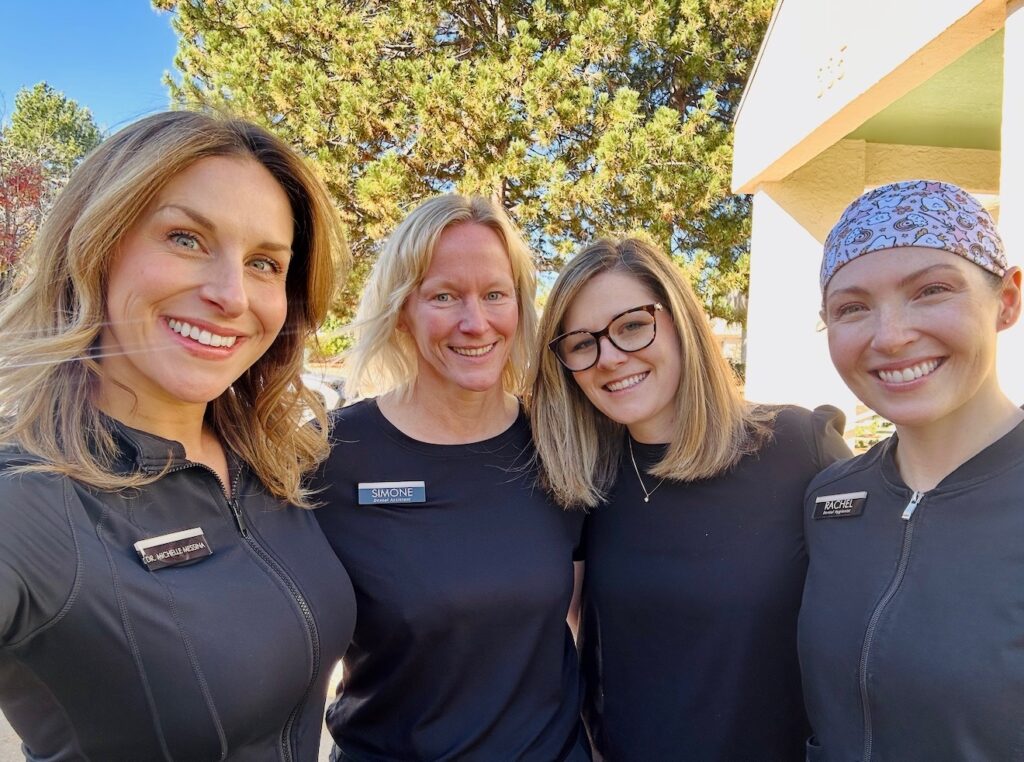
The dental team at Michelle N. Messina, DDS in Louisville, Colorado

Meet the Team Behind Your Smile

Dr. Messina's team works together to make each visit a positive experience. From the moment you arrive, you'll be greeted by friendly faces who are here to help you feel relaxed, informed, and confident in your dental care.

Whether you're visiting for a routine cleaning, preventive care, or restorative treatment, we want every patient to feel supported and well cared for.

Like her mentor and predecessor Dr. Shore before her, Dr. Messina believes that great dentistry starts with relationships. Our team takes the time to get to know our patients, answer questions, and provide personalized care that helps you maintain a healthy, confident smile. We regularly collect and review feedback and are always working hard to improve the experience of visiting our office.

Your dental team at Dr. Messina's practice will never stop striving to be the place you always want to call your dental home. Continuing to care for you and yours is an honor and a privilege to us all!


Our team at Michelle N. Messina, DDS is provides preventive dentistry, cosmetic dentistry, and family dental care for patients in Louisville, Colorado and the surrounding Bouler Valley communities. Our goal is to help families across the Front Range maintain healthy smiles through excellent, evidence-based preventive care and customized, caring dental treatment. Call our Louisville dental office or schedule your appointment online today. We'd love to meet you!


We write a blog post every month to keep our patients and our community updated on important dental topics, so be sure to check back here often! And don't forget: we love your questions! We welcome discussion of these blog topics or anything you're curious about. Our patient family is the best part of our practice, and we are grateful for you!


Spring Cleaning Your Smile: Refresh Your Oral Health This March

March 12th, 2026

As the days get longer and spring approaches here in Louisville, Colorado, many of us start thinking about spring cleaning—decluttering our homes, getting organized, and refreshing our routines. But have you thought about spring cleaning your smile?

March is the perfect time to reset your oral health habits and schedule a professional dental cleaning to keep your smile healthy and bright.

At Michelle N. Messina, DDS, we love helping patients in Louisville, Broomfield, Boulder, Erie, and Lafayette start the season with healthy, confident smiles.


Why Spring Is a Great Time for a Dental Checkup

Many patients wait until the end of the year to schedule dental visits, but spring is actually one of the best times to come in. A preventive visit now helps:

  • Catch small dental issues before they become bigger problems
  • Remove plaque and tartar buildup after the winter months
  • Freshen breath and brighten your smile
  • Set healthy habits for the rest of the year

Regular dental checkups are one of the simplest ways to protect your long-term oral health.


5 Ways to “Spring Clean” Your Oral Health

Here are a few simple steps to refresh your dental routine this season:

1. Replace Your Toothbrush

If you can’t remember the last time you replaced your toothbrush or brush head, it’s probably time. Dentists recommend replacing it every 3–4 months.

2. Schedule Your Professional Cleaning

Even with excellent brushing and flossing, plaque can harden into tartar that only a dental professional can remove. A routine cleaning keeps your teeth and gums healthy.

3. Check Your Oral Hygiene Routine

According to the American Dental Association's oral health tips, a healthy routine should include:

Small improvements in your daily habits can make a big difference.

4. Consider Whitening for a Brighter Smile

Spring events, weddings, and graduations are right around the corner. Professional teeth whitening is a safe and effective way to boost your confidence. Dr. Messina can help you evaluate your options to whiten your smile, including our very popular ZOOM in-office professional whitening system.

5. Don’t Ignore Small Dental Concerns

The CDC notes that preventive dental visits help detect problems early and maintain overall oral health. If you’ve noticed tooth sensitivity, bleeding gums, or a small chip, it’s best to have it evaluated early. Addressing issues sooner can often mean simpler treatment.


Supporting Healthy Smiles in Louisville and Surrounding Communities

Our team at Michelle N. Messina, DDS is proud to care for patients throughout Louisville, Broomfield, Boulder, Erie, and Lafayette, Colorado. Preventive dentistry is the foundation of what we do, and we believe regular checkups help patients maintain healthy smiles for life.

Whether it’s been six months or a little longer since your last visit, spring is a perfect time to get back on track with your dental health.


Schedule Your Spring Dental Visit

If you're ready to refresh your smile this season, we would love to see you. Our friendly team is here to make your visit comfortable, personalized, and stress-free.

Call our Louisville dental office or schedule your appointment online today to start your spring smile refresh.


At Michelle N. Messina, DDS, we are proud to provide preventive dental care for patients in Louisville, as well as nearby communities including BroomfieldBoulderErie, and Lafayette. Our goal is to help families throughout Boulder County maintain healthy smiles through evidence-based preventive care and personalized dental treatment.


We write a blog post every month to keep our patients and our community updated on important dental topics, so be sure to check back here often! And don't forget: we love your questions! We welcome discussion of these blog topics or anything you're curious about. Our patient family is the best part of our practice, and we are grateful for you!

Preventive Dentistry in Boulder County, CO: Why Routine Dental Care Saves You Time, Money, and Stress

February 22nd, 2026

If you’re searching for a preventive dentist in Louisville, CO or wondering whether routine dental visits are truly necessary, the answer is simple: prevention is the foundation of long-term oral health.

At our Louisville dental office serving Boulder County families, Dr. Messina believes dentistry should be proactive — not reactive. The most valuable care we provide often happens before you ever feel pain.


What is Preventive Dentistry?

Preventive dentistry focuses on protecting your teeth and gums through:

  • Comprehensive dental exams
  • Professional cleanings
  • Digital X-rays
  • Oral cancer screenings
  • Early cavity detection
  • Gum disease monitoring

Routine visits every six months (or more frequently if you have a history of gum disease) allow us to catch small concerns early — when treatment is more conservative, comfortable, and cost-effective. There are evidence-based benefits of regular dental checkups we simply can't ignore.

If you’re looking for a family dentist in Louisville or Boulder County, our patients love Dr. Messina and Rachel's conservative, patient-centered approach. Prevention is one of the most important services we offer.


Why Preventive Dental Care Saves You Money

Skipping routine dental visits may seem like a way to save money — but untreated issues rarely stay small.

A minor cavity can quickly turn into:

  • A larger filling
  • A crown
  • A root canal
  • Or even tooth loss

Gum inflammation can quietly progress for years before symptoms become obvious.

Early treatment means:

  • Less invasive procedures
  • Lower overall costs
  • Fewer dental emergencies
  • Less stress for you and your family


The Link Between Oral Health and Overall Health

Your oral health impacts your whole-body health.

Oral health and systemic disease research continues to connect gum disease and chronic inflammation with:

  • Heart disease (here is more from the American Heart Association on gum disease and heart disease risk)
  • Diabetes (see the CDC diabetes and oral health statistics)
  • Pregnancy complications
  • Systemic inflammatory conditions

Maintaining regular dental care right here along Colorado's Front Range isn’t just about your smile — it’s about protecting your overall wellbeing. And while Dr. Michelle Messina is a skilled and experienced restorative and cosmetic dentist, she is also passionate about the overall health of every patient in our practice.


What You Can Do Between Visits

The most powerful preventive habits happen at home:

  • Brush twice daily with fluoride or nano hydroxyapatite toothpaste (Dr. Messina can make great recommendations on specific products that would work for your particular mouth chemistry)
  • Floss consistently
  • Stay hydrated
  • Wear a custom night guard if recommended (we make them here at our practice!)
  • Keep regular hygiene appointments

And remember: prevention is a partnership. If you're looking for a trusted preventive dentist here in Louisville, Colorado, we would love to care for you. Our practice is proud to serve families throughout Louisville, Lafayette, Superior, Erie, Broomfield, Arvada, and across Boulder County with thoughtful, conservative care in a calm, welcoming environment.

To book a dental appointment with Dr. Messina and team, head to our homepage messinadds.com and click "Schedule Online Now," or call (303) 666-4260 and ask for Gabrielle. It is truly our pleasure to serve our wonderful Boulder Valley community and we would love to know you!


We write a blog post every month to keep our patients and our community updated on important dental topics, so be sure to check back here often! And don't forget: we love your questions! We welcome discussion of these blog topics or anything you're curious about. Our patient family is the best part of our practice, and we are grateful for you!

Top Oral Health Tips Straight From TikTok Dentists

January 16th, 2026


From Dr. Michelle Messina, Trusted Cosmetic and Family Dentist in Louisville, Colorado

Social media isn’t just for dance trends and recipes anymore — TikTok dentists are helping millions of people learn how to take better care of their smiles. While not everything you see online is accurate, many licensed dentists are sharing simple, science-backed oral health tips that truly make a difference.

At Michelle N. Messina, DDS, Dr. Messina loves seeing patients in Louisville, Colorado and the surrounding communities of Boulder Valley take an active interest in their oral health — especially when online trends promote healthy habits. Below are some of the best oral health tips trending on TikTok, along with Dr. Messina’s professional insight into what truly supports a healthy smile.


Brush Gently — Harder Is Not Better

TikTok tip: Use light pressure and let the toothbrush do the work.

Many TikTok dentists demonstrate how brushing too hard can wear down enamel and irritate gums. Over time, aggressive brushing may lead to tooth sensitivity and gum recession.

Dr. Messina recommends:

  • Use a soft-bristled toothbrush
  • Brush twice daily for two minutes
  • Use gentle, circular motions


Flossing Before Brushing May Be More Effective

TikTok tip: Floss first, then brush.

This trend is actually supported by research. Flossing first removes plaque and debris so fluoride toothpaste can better reach between teeth.

Dr. Messina recommends:

  • Floss once daily
  • Be gentle — no snapping
  • Curve the floss around each tooth


Don’t Forget to Clean Your Tongue

TikTok tip: Tongue cleaning reduces bacteria and bad breath.

TikTok dentists often highlight the tongue as a major source of odor-causing bacteria that brushing alone may miss.

Dr. Messina recommends:

  • Use a tongue scraper or toothbrush
  • Gently clean from back to front
  • Rinse afterward


It’s Not Just Sugar — It’s How Often You Snack

TikTok tip: Frequent snacking increases cavity risk.

Even healthy snacks can increase cavity risk when eaten throughout the day. Frequent snacking keeps the mouth acidic longer, giving bacteria more time to damage enamel.

Dr. Messina recommends:

  • Limit grazing between meals
  • Drink water after snacks
  • Enjoy sweets with meals instead of alone


Teeth Grinding Isn’t “Normal” — Even If You Don’t Notice It

TikTok tip: Jaw pain or headaches may signal nighttime grinding.

Many TikTok dentists show real examples of damage caused by bruxism, which often occurs during sleep and goes unnoticed.

Dr. Messina recommends:

  • Pay attention to jaw soreness or morning headaches
  • Address grinding early to prevent tooth damage
  • Use a custom night guard when indicated


Be Careful With DIY Whitening Hacks

TikTok tip: Lemon juice, charcoal, and baking soda can harm enamel.

Dr. Messina agrees with TikTok dentists — many viral whitening hacks can permanently damage enamel and increase sensitivity.

Dr. Messina recommends:


Regular Dental Visits Matter — Even If Nothing Hurts

TikTok tip: Dental problems don’t always cause pain early.

One of the most important messages from TikTok dentists is that cavities and gum disease often begin silently — without obvious symptoms.

Dr. Messina recommends:


TikTok Can Educate — Dr. Messina Personalizes Your Care

Social media can be a helpful starting point, but your oral health is personal. If you see a dental trend online and aren’t sure if it’s safe for you, Dr. Messina and her team are always happy to help you separate facts from fads.

If you’re looking for a trusted family dentist in Louisville, Colorado, Dr. Michelle Messina, our hygienist Rachel, and our whole team would love to help you start the year with a healthy, confident smile.

Schedule your next dental appointment with Dr. Michelle N. Messina today. It is always our pleasure to care for you!


We write a blog post every month to keep our patients and our community updated on important dental topics, so be sure to check back here often! And don't forget: we love your questions! We welcome discussion of these blog topics or anything you're curious about. Our patient family is the best part of our practice, and we are grateful for you!

Keeping Smiles Bright This December: Oral Health Tips for a Joyful Holiday Season

December 6th, 2025


December is a month filled with celebrations, cozy gatherings, and sweet traditions —and at Michelle N. Messina, DDS, we love the joy this season brings to our Louisville community. As we wrap up another year, we want to share a few simple ways to keep your smile healthy and radiant throughout the holiday festivities.

1. Enjoy Holiday Treats in Moderation

Cookies, candies, and festive drinks are everywhere in December, and it’s perfectly okay to enjoy them! Just remember that frequent snacking can increase your risk of cavities. A helpful tip from Dr. Messina: enjoy sweets with meals rather than grazing throughout the day. Your enamel will thank you!

2. Stay Hydrated - Your Teeth Need It Too!

With Colorado's increasingly colder weather and necessary indoor heating, many people become dehydrated without realizing it. Water helps rinse away food particles, supports saliva production, and keeps your mouth comfortable. When you can, choose water over sugary holiday beverages.

3. Don’t Let Travel Disrupt Your Routine

If you’re traveling this month, pack a small oral-care kit: toothbrush, toothpaste, floss, and even a travel-size mouthwash. Maintaining your daily routine—no matter where the holidays take you—helps protect your gums and enamel.

4. Be Mindful of Sticky or Hard Treats

Caramels, toffees, candy canes, and other seasonal favorites can damage fillings or chip teeth. If you love these treats, enjoy them slowly and carefully, or opt for softer alternatives.

5. Start the New Year With a Fresh Smile

December is a great time to schedule your early-2026 dental cleaning. Regular checkups help prevent future issues and keep your smile in its healthiest state. If it’s been a while, we’d be thrilled to welcome you back for a hygiene checkup with Rachel and Dr. Messina in the new year.

A Season of Gratitude

As we look back on 2025, we are deeply grateful for the trust and support of our patients and community. From volunteering with local partners to helping families recover after challenging times in our community’s history, we are continually inspired by the resilience and kindness we see around us.

Our team wishes you a peaceful, joyful, and healthy holiday season—filled with warmth, connection, and plenty of reasons to smile. Dr. Messina, Rachel, Simone, Gabrielle, and Angie all wish you and yours a safe and lovely winter season.

Happy Holidays from all of us at Michelle N. Messina, DDS!


We write a blog post every month to keep our patients and our community updated on important dental topics, so be sure to check back here often! And don't forget: we love your questions! We welcome discussion of these blog topics or anything you're curious about. Our patient family is the best part of our practice, and we are grateful for you!


Giving Back: Our Team’s Volunteer Day at Sister Carmen Food Bank

November 7th, 2025


At Michelle N. Messina, DDS, our commitment to caring for others extends beyond our dental chairs. This week, our team had the privilege of spending a day volunteering with one of our long-standing community partners, Sister Carmen Community Center. Together, we helped sort, pack, and distribute food to local families in need — a reminder of how much stronger our community is when we come together.

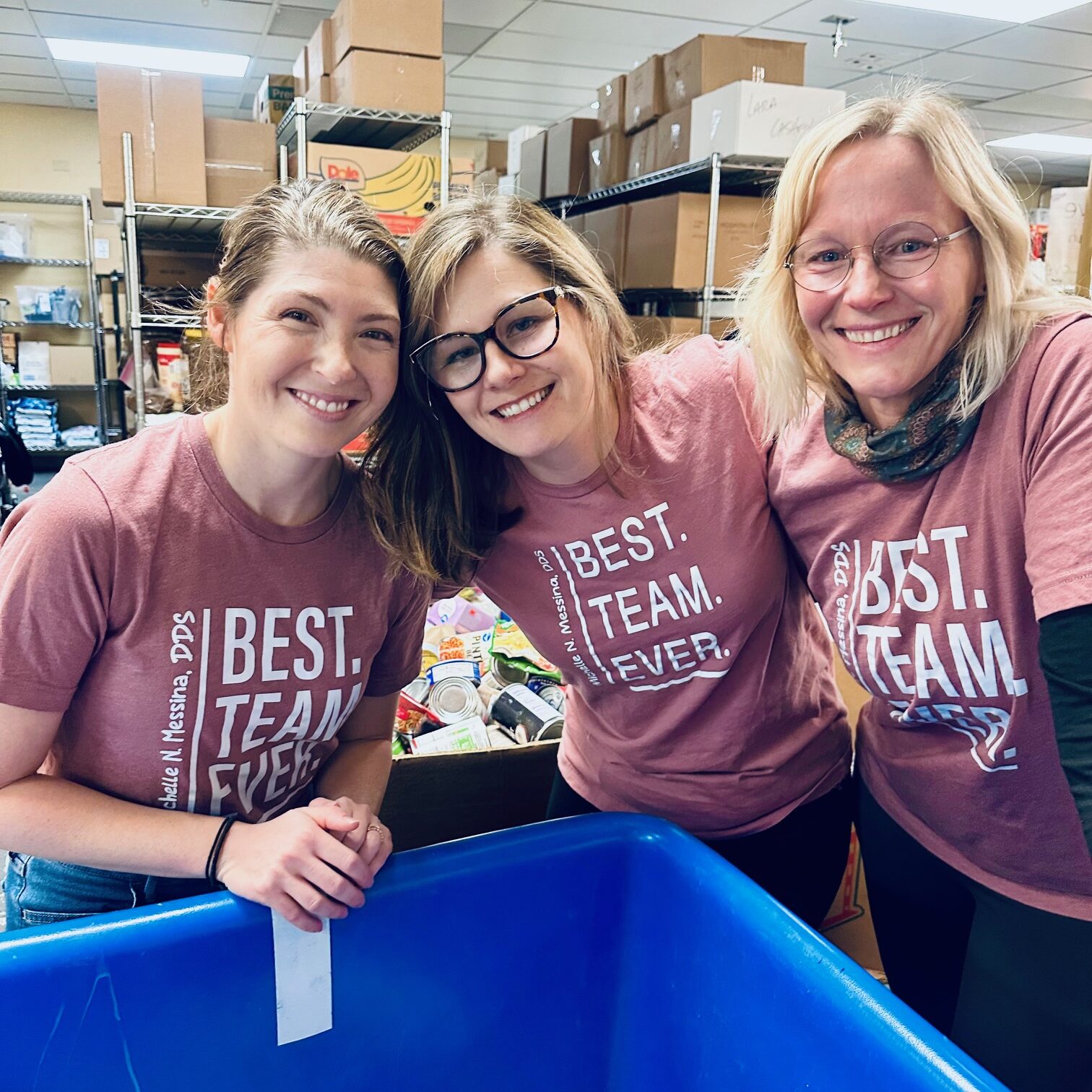
Rachel, Gabrielle, and Simone helping sort donations from Monarch High School!

Sister Carmen has been a cornerstone of support in Boulder County for many years, offering essential resources, hope, and compassion to families facing hardship. Their mission holds a special place in our hearts, especially after the Marshall Fire in 2021, when many of our own patients turned to Sister Carmen for help after losing their homes. We’ve seen firsthand how this incredible organization uplifts our neighbors in their most difficult moments.

Our volunteer day was filled with teamwork, gratitude, and connection. From sorting produce to packing meal boxes, our staff worked side by side with Sister Carmen’s dedicated team and volunteers from our own families — all driven by the same goal: to make sure every family has food on the table. We left inspired and reminded of how acts of service, big or small, make a real difference.

Dr. Messina and the best team ever

We’re proud to support Sister Carmen’s ongoing efforts and encourage others in our community to get involved. Whether through donations, volunteering, or simply spreading awareness, every contribution helps strengthen the compassionate network that makes our community so special.

At Michelle N. Messina, DDS, we believe that caring for smiles also means caring for the people behind them. We’re grateful to be part of such a resilient, giving community — and we look forward to continuing our partnership with Sister Carmen for years to come.

If you’d like to learn more about Sister Carmen Community Center or find ways to volunteer, visit their website at https://sistercarmen.org.


We write a blog post every month to keep our patients and our community updated on important dental topics, so be sure to check back here often! And don't forget: we love your questions! We welcome discussion of these blog topics or anything you're curious about. Our patient family is the best part of our practice, and we are grateful for you!


Trick or Treat! What Does a Dentist Hand Out on Halloween?

October 13th, 2025


When Dr. Messina was a kid, Halloween was one of her favorite days of the year. She's still a fan -- welcoming witches, princesses, dinosaurs, and every variety of trick-or-treaters to her home. And of course she still LOVES chocolate!

But as as a dentist, Dr. Messina knows well the havoc this holiday can cause for teeth. No, she's not handing out floss or travel toothbrushes on Halloween, but she does have advice for kids, parents, and anyone else who likes a good treat.   


The spookiest candy for your teeth

Halloween is full of options that could scare the enamel right off your teeth, from caramel to candy jawbreakers to sugary drinks. But if she had to pick one treat for you to steer away from, Dr. Messina says she is particularly spooked by ever-popular sour chewy candies. This year instead of reaching for the pack of Sour Patch Kids, remember that something sticky, acidic, and sugary like this is going to sit on the teeth longer and cause most damage.


So what does Dr. Messina give trick or treaters?

Halloween night at Dr. Messina's door finds her handing out dark chocolate. It's less sugary than many other candies trick or treaters will find, and it doesn't stay on the teeth too long either. Last year, she made this recipe and served jack-o'-lantern stuffed peppers for parents, and pizza skulls too! Have a festive snack you like to make at home on Halloween? Please share it with us at your next visit! We love to see the healthy choices you're making all year :)

Made for hungry trick-or-treaters by Dr. Messina!


We write a blog post every month to keep our patients and our community updated on important dental topics, so be sure to check back here often! And don't forget: we love your questions! We welcome discussion of these blog topics or anything you're curious about. Our patient family is the best part of our practice, and we are grateful for you!


Wool on Your Teeth? The Surprising Future of Tooth Repair

September 5th, 2025

Scientists may have found a way to regrow tooth enamel using keratin from sheep’s wool. Learn what this breakthrough means for your smile and how to protect enamel now.


What’s New in Enamel Repair?

Happy September! ? With back-to-school routines kicking in and cozy sweaters coming out of storage, it feels fitting to share some smile news that’s… well, also about wool. Yes, wool.

Researchers in London have discovered a way to use keratin (a protein found in sheep’s wool) to help regrow tooth enamel. That’s a big deal, because enamel—the hard, outer layer of our teeth—is the only part of the body that doesn’t naturally repair itself once it’s damaged. Until now, dentists have only been able to patch decay with fillings, resins, or crowns.

But this new wool-derived material? When it mixes with saliva, it forms a crystal-like coating that actually attracts the minerals needed to rebuild enamel. Think of it like a natural shield—one that’s sustainable, non-toxic, and could replace some of the plastics used in dentistry today.

It’s not in toothpaste aisles yet (don’t go brushing with your sweater!. But in the next few years, this discovery could lead to gentler, greener treatments for cavities and early enamel wear. And if you know Dr. Messina, you know anything that makes our smiles and our planet a better place is right up her alley.


Why Enamel Loss Matters

Enamel loss is something we see every day in dentistry. It can happen from:

  • Acidic foods and drinks
  • Teeth grinding (especially at night)
  • Brushing too hard
  • Normal aging

Once enamel thins, teeth become sensitive, more prone to decay, and often look more yellow. That’s why prevention is so important—and why the idea of enamel restoration is so exciting. As Dr. Messina always says, a respect for the natural tooth structure is central to our practice.


How to Protect Your Enamel Right Now

While we wait for science to bring wool-keratin treatments to the dental chair, here are some tried-and-true ways to protect the enamel you already have:

  • Use a soft toothbrush and gentle technique
  • Limit acidic sips (sparkling water, soda, lemon water)
  • Don’t brush right after acidic foods—wait 30 minutes
  • Wear a nightguard if you grind your teeth
  • Schedule regular checkups to catch early enamel wear before it gets worse


A Cozy Thought for Fall ?

We love when science surprises us with something unexpected—like sweaters helping smiles. It’s a reminder that innovation in dentistry is always moving forward, often in ways we’d never imagine.

So this September, while you’re pulling out your wool scarves, take a moment to also care for your smile’s natural shield: your enamel. One day soon, both may be keeping you warm and well. If you'd like to come see us, we'd love to have you! Our Louisville, Colorado doors are always open to help care for the oral and overall health of our community.


We write a blog post every month to keep our patients and our community updated on important dental topics, so be sure to check back here often! And don't forget: we love your questions! We welcome discussion of these blog topics or anything you're curious about. Our patient family is the best part of our practice, and we are grateful for you!


Why You Shouldn't Use Adult Pacifiers: Hidden Dental Risks Behind the Trend

August 13th, 2025

In August 2025, a surprising dental-related trend has started gaining traction—adult pacifiers as a stress-relief accessory. However, dental professionals are now raising concerns that this quirky fad may be quietly harming your oral health. Let’s dive into why.

What’s Trending: Adult Pacifiers for Stress Relief

Recently, a viral trend has seen adults using oversized pacifiers—originally a soothing tool for infants—to “calm the nerves.” The chewable, oral-sensory stimulation is said to help people focus and unwind. Yet, dentists are warning this “stress hack” can cause serious complications.

The Hidden Dental Dangers

Experts highlight that adult pacifier use can lead to overjet—a condition where the upper teeth protrude excessively over the lower teeth. Unlike in children, adults’ teeth are no longer flexible enough to correct themselves naturally, making the changes irreversible and potentially painful, affecting everyday activities like eating and speaking.

Why It Matters

While it may seem like a harmless way to de-stress, this behavior poses risks that outweigh the perceived benefits. The adult mouth isn’t built to accommodate prolonged pressure or positioning that deviates from normal chewing patterns.

Safer Strategies for Stress Management

Instead of risking your dental health, consider healthier alternatives:

  • Chew sugar-free gum to mimic oral stimulation without structural harm.
  • Practice mindfulness, deep breathing, or short meditation breaks.
  • Engage in light exercise like walking or stretching.
  • Try sensory objects like stress balls designed for repetitive handling—not oral stimulation.

Dr. Messina and Team are Here for YOU!

If you haven't already, schedule your next dental check-up with Dr. Messina and our hygienist Rachel, and don't be shy about discussing any questions you have about this topic or any other dental concern. It is our true pleasure to serve our wonderful community and to be your trusted source for health care information and care!


We write a blog post every month to keep our patients and our community updated on important dental topics, so be sure to check back here often! And don't forget: we love your questions! We welcome discussion of these blog topics or anything you're curious about. Our patient family is the best part of our practice, and we are grateful for you!

New Team Member Spotlight: Meet Gabrielle!

July 10th, 2025


More big news for our little practice: we have undergone changes in our front office in the last year, and we are so excited to introduce our patient friends and family to our new Front Office Manager: meet Gabrielle!

Our new Front Office Manager, Gabrielle!

Gabrielle was hand-picked by Dr. Messina to join our small, well-oiled team. She comes to us with the years of experience and can-do attitude you're used to enjoying in the rest of our team!

A proud Colorado native, Gabrielle brings to our team 15 years of experience in dentistry and a genuine passion for helping others.  Everyone who visits our office loves Gabrielle's warm, caring demeanor, her extensive operational knowledge which keeps our practice running smoothly day to day, and the way she helps curate a positive experience for every patient

Outside of work, Gabrielle is a busy mom to four kids and enjoys spending time with her amazing husband and their pug, Javier.  Whether you find her at the arcade with her kids or soaking up the sunshine with her family, Gabrielle's super power is making lasting connections wherever she goes.  

Next time you're in the area, stop on by and meet Gabrielle; she'll love to shake your hand, give you a smile, and get to know you and yours!


We write a blog post every month to keep our patients and our community updated on important dental topics, so be sure to check back here often! And don't forget: we love your questions! We welcome discussion of these blog topics or anything you're curious about. Our patient family is the best part of our practice, and we are grateful for you!
Sesame Oil Pulling: Nature's Plaque-Fighting Power Move

June 13th, 2025

For centuries, traditional Ayurvedic medicine has embraced oil pulling—swishing oil in the mouth to cleanse and strengthen oral tissues. While coconut oil often gets the spotlight today, recent research suggests another kitchen staple might be even more effective at fighting plaque: sesame oil.

Could the key to a healthier smile really be sitting next to your frying pan? Let’s explore.


What Is Oil Pulling?

Oil pulling is a natural oral care practice where you gently swish oil around your mouth for several minutes, then spit it out. The idea is that the oil binds to harmful bacteria, plaque, and food debris—removing them when you spit.

While it sounds simple, scientific studies have begun to confirm its benefits, particularly in plaque reduction and gum health.

Why Sesame Oil?

Sesame oil is rich in antioxidants like sesamol and sesamin, and it has mild antibacterial and anti-inflammatory properties. Unlike some oils, it has a light texture, making it comfortable to swish for longer periods without feeling overly heavy or greasy.

The Science Behind the Swish

A recent study compared sesame oil pulling to distilled water rinsing and found that sesame oil significantly reduced dental plaque levels over a period of consistent use. The researchers concluded that the oil’s antibacterial action and ability to penetrate plaque biofilm may make it a helpful addition to daily oral care routines.

While sesame oil pulling shouldn’t replace brushing or flossing, it can act as a complementary practice—especially for those looking for more natural options.

How to Oil Pull with Sesame Oil

  • Measure about 1 tablespoon of high-quality, cold-pressed sesame oil.
  • Swish gently around your mouth for 10–20 minutes. Avoid vigorous gargling or swallowing.
  • Spit into a trash can—oil can solidify and clog plumbing if poured down the sink.
  • Rinse your mouth with warm water.
  • Brush and floss as usual.

Pro Tip: Start with 5 minutes if you find it tiring to swish for longer, and gradually increase your swishing time.

Potential Benefits

  • Plaque reduction – May help disrupt the sticky biofilm that forms on teeth.
  • Improved gum health – Gentle swishing can massage the gums and reduce inflammation.
  • Fresher breath – Removing bacteria can cut down on odor-causing compounds.
  • Gentle whitening – Over time, removing plaque buildup can help teeth appear brighter.

Who Might Benefit Most

  • People seeking a natural, chemical-free mouth rinse.
  • Those with sensitivity to alcohol-based mouthwashes.
  • Fans of Ayurvedic or holistic health practices.

Safety Notes: Avoid sesame oil pulling if you have a sesame allergy. Do not swallow the oil—it may contain bacteria and debris from your mouth. And remember, children should not attempt oil pulling unsupervised due to choking risk.

The Bottom Line

Sesame oil pulling isn’t a miracle cure, but it’s a time-tested, science-supported practice that can complement your daily oral hygiene. Think of it as another tool in your dental care toolkit—right alongside your toothbrush, floss, and healthy diet. The next time you pass by your bottle of sesame oil in the pantry, you might just be looking at your smile’s new best friend.


We write a blog post every month to keep our patients and our community updated on important dental topics, so be sure to check back here often! And don't forget: we love your questions! We welcome discussion of these blog topics or anything you're curious about. Our patient family is the best part of our practice, and we are grateful for you!


What Your Mouth Might Be Whispering About Your Health

May 15th, 2025

It's May, and signs of summer are all around us here in colorful Colorado! And speaking of signs, this month on the blog we're discussing how oral symptoms can be early warning signs of serious conditions. Let's dive in!

We all know brushing, flossing, and regular dental check-ups keep your smile looking its best. But did you know your mouth can also act as a health “early warning system” for your entire body? Dentists are often the first to spot signs of systemic diseases—sometimes years before other symptoms appear.

In this post, we’ll explore the oral clues that might be hinting at deeper health issues and why you should never ignore them.

1. Bleeding or Swollen Gums → Possible Heart Disease

Gum disease (periodontitis) isn’t just a threat to your teeth—it’s been linked to cardiovascular problems. Inflammation from gum disease can allow harmful bacteria to enter the bloodstream, potentially contributing to plaque buildup in arteries.

When to act: If your gums bleed regularly while brushing or flossing, schedule a dental exam and discuss it with Dr. Messina and Rachel.

2. Sudden Increase in Cavities → Possible Diabetic Involvement

If you’ve gone years with minimal cavities but suddenly develop multiple, high blood sugar might be to blame. Elevated glucose in saliva feeds oral bacteria, accelerating tooth decay.

When to act: Ask Dr. Messina or your physician about diabetes screening—especially if you also have increased thirst, fatigue, or unexplained weight loss.

3. Frequent Canker Sores → Possible Autoimmune Disorders or Vitamin Deficiencies

Occasional mouth ulcers are common, but recurring or unusually large sores may indicate conditions like celiac disease, lupus, or inflammatory bowel disease. They can also stem from deficiencies in B vitamins, iron, or folate.

When to act: Keep a log of flare-ups and bring it to your dental and medical appointments for a thorough workup.

4. Enamel Erosion → Possible Acid Reflux (GERD)

If your teeth appear thinner, more translucent, or unusually smooth, stomach acid might be eroding your enamel—often without your knowledge. GERD-related erosion usually affects the back teeth first.

When to act: Seek dental evaluation and talk to your doctor about reflux management to prevent further damage.

5. Persistent Bad Breath → Possible GI or Respiratory Issues

Morning breath is normal, but breath that stays unpleasant despite good hygiene can be linked to sinus infections, tonsil stones, gastrointestinal disorders, or even chronic lung disease.

When to act: If thorough brushing, flossing, tongue cleaning, and hydration don’t help, look beyond the mouth for a possible cause.

Why Dentists are Key in Early Detection

Dr. Messina isn’t just checking for cavities — she's trained to spot subtle changes in oral tissues, gum health, and tooth structure that may point to larger systemic issues.
Pro tip: Always share your full medical history and any recent health changes with your dentist, even if they seem unrelated to your teeth.

How to Be Your Own Mouth Detective

  • Look in the mirror once a week for changes in gums, tongue, and teeth.

  • Don’t ignore pain or bleeding, even if it comes and goes.

  • Stay on schedule with dental checkups—every six months is ideal for most people.

  • Track symptoms—patterns can reveal important clues.

Final Takeaway

Your mouth is more than a smile—it’s a messenger for your whole body’s health. Paying attention to what it’s “whispering” can lead to early detection, easier treatment, and better long-term wellness.

If you notice any of these signs or are curious about what we discuss in this post or any other, book an appointment with our team or with your physician. Listening to your mouth could be the smartest health decision you make this year.


We write a blog post every month to keep our patients and our community updated on important dental topics, so be sure to check back here often! And don't forget: we love your questions! We welcome discussion of these blog topics or anything you're curious about. Our patient family is the best part of our practice, and we are grateful for you!


Oral Cancer: What You Need to Know in 2025

April 5th, 2025

Oral cancer is a serious and often overlooked health condition that affects thousands of people worldwide each year, and your dental providers Dr. Messina and Rachel want you to have up-to-date information on this important pathology.

With advances in medical technology, early detection, and treatments, the outlook for individuals diagnosed with oral cancer has improved. However, awareness and prevention remain key to reducing its impact. As we recognize Oral Cancer Awareness Month this April, here’s everything you need to know about oral cancer, including the latest trends, risk factors, and what steps you can take to protect your oral health.

What is Oral Cancer?

Oral cancer refers to cancer that develops in any part of the mouth, including the lips, gums, tongue, the floor of the mouth, roof of the mouth, and the cheeks. It also includes cancers of the throat (pharynx) and voice box (larynx), which are part of the head and neck cancer category. The disease can start in any of these areas and spread to surrounding tissues if not caught early.

The Rising Threat in 2025: Understanding the Statistics

As of 2025, oral cancer continues to be a significant concern, particularly for individuals over the age of 45. According to the American Cancer Society, nearly 54,000 people in the United States are expected to be diagnosed with oral cancer this year, and approximately 10,000 people will die from the disease. Despite these statistics, survival rates have improved over the past decades, thanks to better awareness, screening, and early detection techniques.

Key Risk Factors for Oral Cancer

In 2025, there are several well-known risk factors for oral cancer, though researchers continue to explore new influences. Here are some of the top factors that increase your risk:

1. Tobacco Use (Smoking and Chewing)

Tobacco remains one of the leading risk factors for oral cancer. Cigarette smoking, cigars, and smokeless tobacco products (chewing tobacco) contribute to over 85% of all oral cancer cases. Even secondhand smoke can increase the risk.

2. Heavy Alcohol Consumption

Excessive drinking, especially when combined with smoking, increases the risk of oral cancer significantly. Studies show that the risk is much higher for those who both drink heavily and use tobacco.

3. HPV (Human Papillomavirus)

In recent years, the role of HPV in oral cancer has gained attention. HPV, particularly strains 16 and 18, is now recognized as a leading cause of oropharyngeal cancer (cancer in the back of the throat). The rise of oral HPV infections, especially among younger individuals, highlights the need for better HPV vaccination rates.

4. Age and Gender

Oral cancer is more commonly diagnosed in individuals over the age of 45, with men being at a higher risk than women. However, the increasing number of women being diagnosed with HPV-related oral cancer suggests shifting trends in risk factors.

5. Poor Diet and Nutrition

A diet lacking in essential vitamins and minerals, especially those found in fruits and vegetables, can increase the risk of oral cancer. A deficiency in antioxidants such as vitamins A, C, and E can impair the body’s ability to protect cells from damage.

6. Genetics and Family History

Family history of oral cancer or other types of head and neck cancers can increase an individual’s risk of developing the disease. Research into genetic predispositions continues to advance, helping doctors identify high-risk individuals.

New Developments in Prevention and Early Detection

As we progress into 2025, significant strides have been made in both prevention and early detection of oral cancer. Here are some key updates:

1. HPV Vaccination

In the past, HPV-related oral cancers were mostly associated with younger individuals who were sexually active. Today, HPV vaccination is seen as a critical tool in preventing certain types of oral cancer, especially among younger individuals. The vaccine, which is currently recommended for adolescents, has been shown to significantly reduce the risk of HPV-related cancers. In 2025, greater awareness and accessibility of the HPV vaccine are expected to help reduce the rates of HPV-related oral cancer in the future.

2. Saliva Tests for Early Detection

Researchers are also exploring non-invasive tests like saliva testing to detect early signs of oral cancer. These tests can identify certain biomarkers that indicate the presence of cancer, providing a potential game-changer for early detection. In 2025, we can expect more advancements in this area, allowing for quicker diagnoses and improved survival rates.

3. Oral Cancer Screenings

Routine oral cancer screenings, which are always performed during dental check-ups in our office, continue to be one of the most effective ways to detect the disease early. Advances in screening tools, such as fluorescence and tissue imaging technology, help dentists identify suspicious areas in the mouth that could be indicative of cancer, even before visible signs appear. If your dentist hasn’t recommended a screening, ask about it during your next appointment.

Symptoms to Watch For

Detecting oral cancer early can significantly improve the chances of successful treatment. If you experience any of the following symptoms, it’s important to visit a dentist or doctor promptly:

  • Sores or ulcers in the mouth that don’t heal within two weeks
  • Pain or tenderness in the mouth, lips, or throat
  • White or red patches on the gums, tongue, or inside of the mouth
  • Difficulty swallowing or speaking
  • Unexplained bleeding in the mouth
  • Numbness or swelling in the face, neck, or mouth
  • A persistent sore throat or hoarseness

Prevention: Protecting Your Health

While there are no guarantees when it comes to cancer prevention, there are steps you can take to significantly reduce your risk:

  • Avoid tobacco in any form.
  • Limit alcohol consumption.
  • Get the HPV vaccine if you're eligible.
  • Eat a balanced diet rich in fruits, vegetables, and antioxidants.
  • Practice good oral hygiene, including regular brushing and flossing.
  • Visit your dentist regularly for check-ups and oral cancer screenings.

The Future of Oral Cancer Treatment

In 2025, oral cancer treatments continue to evolve with a focus on precision medicine and less invasive procedures. Targeted therapies and immunotherapies are increasingly being used to treat oral cancer, offering better outcomes with fewer side effects. Researchers are also looking into new forms of radiation therapy and surgical techniques that allow for faster recovery times and better quality of life for patients.

Conclusion

Oral cancer is a serious disease that affects people across the world, but it doesn’t have to be a death sentence. In 2025, advancements in prevention, early detection, and treatment offer hope to those affected. By staying informed, practicing good oral hygiene, and regularly visiting your dentist, you can take proactive steps to protect your oral health and reduce your risk of oral cancer.

If you haven't already, schedule your next dental check-up with Dr. Messina and our hygienist Rachel, and don't be shy about discussing any questions you have about our oral cancer screenings. Early detection and prevention are the keys to keeping your mouth—and your body—healthy for years to come


We write a blog post every month to keep our patients and our community updated on important dental topics, so be sure to check back here often! And don't forget: we love your questions! We welcome discussion of these blog topics or anything you're curious about. Our patient family is the best part of our practice, and we are grateful for you!


Cutting-Edge Dental Implant Technology

March 21st, 2025

Dental implants have been a game-changer in the field of dentistry for many years, offering patients a reliable and natural-looking solution to replace missing teeth. However, just like every other area of medicine and technology, dental implant procedures have continued to evolve, becoming faster, more efficient, and less invasive over time. Today, we’re witnessing a revolution in dental implant technology, with advancements that make the entire process more precise, comfortable, and effective than ever before.

At Dr. Messina's dental practice, we restore implants every day. This means that after a qualified surgeon places an implant into the bone, we create the abutment and crown complex (the "tooth") that attaches to it. Did you know Dr. Messina hand-picks the surgeons she works with for dental implant placement? She maintains a trusted network of only the most qualified and compassionate surgeons in the greater Denver area -- all of whom she has worked closely with for years and all of whom she would trust with her own health and the health of her family.

So in our blog post this month, we'll find out what makes dental implants so cool, and what tools are available to the surgeons Dr. Messina works with. Let's dive into some of the latest innovations in dental implant technology and how they’re changing the way we approach tooth replacement.

1. 3D Imaging and Digital Planning

One of the most significant breakthroughs in dental implant technology is the development of 3D imaging and digital planning tools. In the past, dental professionals relied on traditional X-rays to get a snapshot of the patient’s mouth. While helpful, this approach didn’t provide the level of detail necessary for precise implant placement.

Today, 3D cone beam computed tomography (CBCT) scans have revolutionized how dentists plan and place implants. These high-definition, 3D images allow dentists to get a clear, detailed view of the patient’s bone structure, surrounding tissues, and sinuses, helping them plan the perfect implant placement with incredible accuracy.

The Benefits:

  • Increased precision: With digital planning, the implant can be placed with pinpoint accuracy, minimizing the risk of complications and improving the overall success rate.
  • Customization: Dentists can design the implant procedure tailored to your individual anatomy, ensuring a more comfortable fit and better outcomes.
  • Reduced recovery time: Precise placement reduces the trauma to surrounding tissues, which can lead to faster healing and less postoperative discomfort.

2. Guided Implant Surgery

Guided implant surgery is a groundbreaking technology that allows dentists to place implants using computer-generated surgical guides. These guides are based on the 3D images and digital plans, ensuring that each implant is placed in exactly the right position with minimal invasiveness. The guide acts like a roadmap, directing the dentist’s tools to the optimal locations, reducing the need for flap surgery (where gum tissue is cut back), and making the procedure faster and more predictable.

The Benefits:

  • Less invasive: By avoiding the need to cut into the gums extensively, guided surgery can minimize bleeding and swelling.
  • Faster recovery: Less invasive techniques mean patients often experience a quicker recovery time with fewer complications.
  • Higher success rates: With greater precision, the chances of implant success are significantly increased.

3. Same-Day Implants (Immediate Load Implants)

For years, patients who received dental implants had to wait several months after the implant was placed before receiving a permanent restoration (such as a crown). During this time, the implant would fuse with the jawbone in a process called osseointegration. This wait often led to frustration and inconvenience.

Now, with advances in implant design and materials, same-day implants or immediate load implants are becoming increasingly common. These implants are designed to be stable enough to support a temporary or permanent restoration (crown, bridge, or denture) immediately after placement.

The Benefits:

  • Immediate results: Patients can leave the dentist’s office with a fully functional tooth or set of teeth on the same day as the procedure.
  • Reduced treatment time: Instead of waiting several months for the implant to integrate, same-day implants streamline the entire process, saving time and improving patient satisfaction.
  • Improved patient confidence: Having a tooth in place immediately after implant surgery can boost a patient’s self-esteem and eliminate the awkward gap or missing tooth.

4. Minimally Invasive Techniques: Piezosurgery

Traditionally, placing dental implants required cutting into the gums and drilling through bone tissue. However, piezosurgery is a minimally invasive alternative that uses ultrasonic vibrations to cut through bone with extreme precision, while leaving surrounding tissues—such as the gums and nerves—untouched.

Piezosurgery reduces the need for traditional rotary drills and can significantly improve the precision and safety of the procedure. It also leads to less swelling, reduced bleeding, and a faster recovery time compared to traditional methods.

The Benefits:

  • Less pain and discomfort: With reduced trauma to the surrounding tissues, piezosurgery is often more comfortable for patients.
  • Reduced risk of complications: The precision of the ultrasonic tool reduces the risk of damaging nearby nerves or tissues.
  • Faster healing: Less tissue damage means quicker healing and fewer post-surgical complications.

5. Advanced Implant Materials: Titanium and Zirconia

Titanium has long been the material of choice for dental implants due to its strength, durability, and biocompatibility. However, there’s a new player on the scene: zirconia implants. Zirconia, a ceramic material, is known for its strength and aesthetic appeal. It’s a popular choice for patients who prefer a metal-free option for their implants, particularly those with metal allergies or sensitivities.

Zirconia implants can provide a more natural-looking solution, as they blend seamlessly with the surrounding tooth structure. They are also highly resistant to corrosion, making them a durable alternative to titanium implants.

The Benefits:

  • Aesthetics: Zirconia implants are often favored for their tooth-like appearance, making them ideal for patients who need implants in the front of the mouth.
  • Biocompatibility: For those who experience allergic reactions to titanium, zirconia implants offer a safe, metal-free option.
  • Durability: Both titanium and zirconia implants are designed to last for decades, offering a long-term solution for missing teeth.

6. Artificial Intelligence and Robotics in Implant Surgery

The latest frontier in dental implant technology involves the use of artificial intelligence (AI) and robotic assistance in the placement of dental implants. AI can analyze a patient’s 3D images and assist the dentist in planning the best approach for implant placement. Robotic systems can then help guide the surgical procedure, ensuring that every movement is precise and calculated.

While still in the early stages of adoption, robotic and AI-driven implant placement is expected to continue evolving. These technologies could drastically reduce the margin for error in implant surgery, further improving the success and predictability of the procedure.

The Benefits:

  • Enhanced precision: AI and robotics can eliminate human error, ensuring the implant is placed in the perfect position.
  • Safer procedures: The use of AI and robotics could reduce the risk of complications, such as damage to nerves or blood vessels.
  • Faster recovery and less discomfort: With improved precision and minimally invasive techniques, recovery time may be further reduced.

Conclusion

Dental implant technology has come a long way in recent years, and we’re only just beginning to scratch the surface of what’s possible. From 3D imaging and guided surgery to same-day implants and AI-driven procedures, the future of dental implants is bright, and the advancements are making the entire process more efficient, comfortable, and predictable for patients.

If you’re considering dental implants or need to replace a missing tooth, these cutting-edge technologies are changing the way we approach tooth restoration. Consult with Dr. Messina and her hand-picked network of caring, qualified surgeons to learn more about the latest implant options and how these innovations can benefit you. With these advancements, achieving a healthy, beautiful smile has never been easier! Give us a call at (303) 666-4260 or stop on by our practice in Louisville, Colorado and it will be our pleasure to care for you!


We write a blog post every month to keep our patients and our community updated on important dental topics, so be sure to check back here often! And don't forget: we love your questions! We welcome discussion of these blog topics or anything you're curious about. Our patient family is the best part of our practice, and we are grateful for you!


Nano Hydroxyapatite Toothpaste: The Future of Tooth Care

February 19th, 2025

When it comes to maintaining oral health, most of us rely on traditional toothpaste containing fluoride to keep our teeth strong and cavity-free. However, an innovative new alternative is making waves in the dental world: nano hydroxyapatite toothpaste. This cutting-edge product is gaining attention for its impressive ability to remineralize teeth, protect enamel, and promote overall oral health, and Dr. Messina wants you to know about it!

In this month's blog post, we’ll take a closer look at what nano hydroxyapatite toothpaste is, how it works, and why it may be the future of oral care.

What is Nano Hydroxyapatite?

Hydroxyapatite (HA) is a naturally occurring mineral form of calcium apatite and makes up a large portion of our teeth and bones. It's the substance responsible for the strength and structure of our tooth enamel. Nano hydroxyapatite (nHA) refers to HA particles that are broken down to a much smaller size—typically in the nanometer range (1-100 nanometers). This smaller size allows for better penetration into enamel and even dentin, the layer beneath the enamel.

When used in toothpaste, nano hydroxyapatite mimics the natural minerals found in our teeth, making it an effective agent for remineralizing tooth enamel and offering a range of dental benefits.

How Does Nano Hydroxyapatite Toothpaste Work?

Nano hydroxyapatite toothpaste works in a way that is similar to fluoride toothpaste but with a few key differences. Here’s how it benefits your oral health:

1. Remineralization of Enamel
One of the most significant benefits of nano hydroxyapatite toothpaste is its ability to remineralize weakened enamel. Enamel is the outermost layer of your teeth, and over time, it can wear down due to factors like diet, acid erosion, and brushing too hard. Nano hydroxyapatite particles help repair these tiny areas of damage by bonding with the enamel and filling in microscopic pores. This process strengthens and restores the enamel, making it more resistant to decay.

2. Natural Whitening Effect
Nano hydroxyapatite can also help restore your teeth's natural whiteness. Unlike abrasive whitening toothpastes that may damage enamel, nano hydroxyapatite gently polishes the teeth and removes surface stains without causing harm. Over time, it helps teeth appear naturally whiter and brighter, without the use of harsh chemicals.

3. Protection Against Tooth Sensitivity
For individuals who suffer from tooth sensitivity, nano hydroxyapatite toothpaste can provide relief. The particles effectively fill in the microscopic openings in the enamel, known as tubules, that lead to nerve endings. By sealing these tubules, nano hydroxyapatite helps to prevent discomfort from hot, cold, or sweet foods and beverages, reducing sensitivity.

4. Strengthening Dentin
In addition to remineralizing enamel, nano hydroxyapatite also works to strengthen the underlying dentin layer. This is especially beneficial for people with thinning enamel, as dentin is more vulnerable to cavities and sensitivity when exposed.

5. Anti-Cavity Properties
Some studies suggest that nano hydroxyapatite may offer anti-cavity protection. As the particles bond to the enamel, they may help prevent the formation of cavities by creating a stronger, more resilient outer layer that resists acid attacks and plaque buildup.

Benefits of Nano Hydroxyapatite Toothpaste

1. Safe for Enamel
Unlike some traditional whitening toothpastes, nano hydroxyapatite toothpaste is gentle on enamel. Its non-abrasive nature ensures that it doesn’t wear down the enamel or cause damage, even with regular use.

2. Fluoride-Free Option
For those who prefer to avoid fluoride in their oral care routine, nano hydroxyapatite toothpaste offers a fluoride-free alternative. It provides similar benefits without the controversial ingredient, making it a great option for people with specific health concerns or sensitivities.

3. Biocompatible and Safe
Nano hydroxyapatite is biocompatible, meaning it is not toxic or harmful to the body. Since it's a natural component of tooth enamel, it can be safely used in dental products without posing any risks. It's also free of harmful chemicals and artificial ingredients, making it an ideal choice for those seeking a more natural, holistic approach to oral care.

4. Suitable for Sensitive Teeth
As mentioned earlier, nano hydroxyapatite toothpaste is especially helpful for people with tooth sensitivity. Its ability to seal exposed dentin and protect nerve endings makes it an excellent choice for individuals who experience discomfort when eating or drinking hot or cold foods.

How to Use Nano Hydroxyapatite Toothpaste

Using nano hydroxyapatite toothpaste is simple and follows the same routine as regular toothpaste. Here’s how to get the most out of it:

  1. Brush Twice a Day: Use a pea-sized amount of nano hydroxyapatite toothpaste on your toothbrush and brush your teeth for at least two minutes, twice a day.
  2. Use a Soft-Bristled Toothbrush: To prevent unnecessary wear on your enamel, use a soft-bristled toothbrush when brushing with nano hydroxyapatite toothpaste.
  3. Don't Rinse Immediately: After brushing, avoid rinsing your mouth immediately. Allow the nano hydroxyapatite particles to stay on your teeth for a little longer so they can continue to bond with your enamel.
  4. Consistency Is Key: Like any oral care product, consistent use is essential for seeing results. Use the toothpaste regularly to experience the full benefits of remineralization, reduced sensitivity, and whiter teeth.

Is Nano Hydroxyapatite Toothpaste Right for You?

Nano hydroxyapatite toothpaste is a great option for most people, especially those who are looking for a gentle, fluoride-free toothpaste that promotes tooth remineralization. It’s particularly beneficial for individuals with tooth sensitivity, enamel erosion, or those who are looking for a natural whitening alternative.

However, while it’s a fantastic option for maintaining oral health, it’s important to consult with Dr. Messina or our hygienist Rachel before making any changes to your oral care routine—especially if you have specific dental conditions that may require special attention.

Conclusion

Nano hydroxyapatite toothpaste is quickly becoming a popular choice in the world of oral care, and for good reason. Its ability to remineralize enamel, whiten teeth naturally, and reduce sensitivity makes it an attractive alternative to traditional fluoride-based toothpaste. Whether you’re looking to strengthen your teeth, improve your smile, or simply take better care of your oral health, nano hydroxyapatite toothpaste might just be the future of tooth care you’ve been waiting for.

If you haven’t yet tried this innovative toothpaste, it may be time to make the switch and experience its benefits for yourself! Our team is available to partner with you to keep your oral and overall health in tip-top shape. Give us a call at (303) 666-4260 or stop on by our practice in Louisville, Colorado and it will be our pleasure to care for you!


We write a blog post every month to keep our patients and our community updated on important dental topics, so be sure to check back here often! And don't forget: we love your questions! We welcome discussion of these blog topics or anything you're curious about. Our patient family is the best part of our practice, and we are grateful for you!


Benefits of Tongue Scraping: A Simple Step Toward a Happier Mouth

January 21st, 2025

When we think about oral hygiene, most of us focus on brushing and flossing. But there's another important step that often gets overlooked—tongue scraping. This simple practice can have a big impact on your overall oral health and help you achieve a cleaner, fresher mouth. In this month's blog post, Dr. Messina explores the benefits of tongue scraping, how to do it, and why it should become a regular part of your oral care routine.

What is Tongue Scraping?

Tongue scraping is the process of using a special tool, typically made of stainless steel, plastic, or copper, to gently scrape the surface of your tongue. The goal is to remove the buildup of bacteria, dead cells, and food particles that naturally accumulate on the tongue throughout the day. This buildup can lead to bad breath, contribute to poor taste, and even impact your overall oral health.

Why Should You Scrape Your Tongue?

1. Combat Bad Breath (Halitosis)
One of the most common reasons people scrape their tongues is to fight bad breath. The tongue’s surface is covered with tiny bumps called papillae, which can trap bacteria and food particles. These trapped substances can lead to foul-smelling breath. Scraping your tongue removes these unwanted deposits, leaving your mouth feeling fresher and cleaner.

2. Improve Taste
When your tongue is coated with bacteria and debris, it can dull your sense of taste. Scraping your tongue removes this coating, allowing your taste buds to function more effectively. After a good scrape, many people notice that food tastes better and fresher.

3. Promote Better Oral Hygiene
Tongue scraping is an excellent complement to your regular brushing and flossing routine. While brushing and flossing clean your teeth and gums, they don’t do much for the tongue. Regular tongue scraping helps remove bacteria from the tongue’s surface, reducing the overall bacterial load in your mouth, which can prevent plaque buildup, cavities, and gum disease.

4. Reduce the Risk of Oral Infections
By removing bacteria and food particles from the tongue, tongue scraping can help reduce the risk of oral infections, such as thrush (a yeast infection in the mouth) or gingivitis (gum inflammation). Keeping your tongue clean ensures that harmful bacteria are less likely to proliferate, which ultimately supports a healthier mouth.

5. Improve Overall Health
Oral health is linked to overall health, and tongue scraping is a simple way to help maintain both. A cleaner mouth can reduce the risk of conditions like heart disease, diabetes, and respiratory infections, all of which have been shown to have a connection to poor oral hygiene. By taking care of your tongue, you’re helping to keep your entire body in better health.

How to Properly Scrape Your Tongue

Step 1: Choose a Tongue Scraper
Tongue scrapers come in various materials, including stainless steel, copper, and plastic. Stainless steel is a popular choice due to its durability and resistance to bacteria growth. Pick a scraper that feels comfortable in your hand and has a shape that fits your mouth.

Step 2: Clean Your Tongue Scraper
Before you start scraping, rinse your tongue scraper with warm water to ensure it’s clean. You should also wash it thoroughly after each use to avoid spreading bacteria back into your mouth.

Step 3: Stick Out Your Tongue
Open your mouth and extend your tongue as far as you can. This allows you to reach the entire surface of your tongue.

Step 4: Scrape Gently
Place the scraper at the back of your tongue and gently pull it forward. Apply light pressure—don’t scrub too hard, as this can irritate your tongue. After each pass, rinse the scraper to remove the debris.

Step 5: Repeat
Repeat the scraping process 2–3 times or until you notice the tongue is clean and free of debris. It’s essential to scrape from the back of the tongue toward the front to avoid pushing bacteria further back into the throat.

Step 6: Rinse and Clean
After scraping, rinse your mouth with water or mouthwash to remove any remaining bacteria and debris. Clean your tongue scraper thoroughly and store it in a dry place.

How Often Should You Scrape Your Tongue?

For optimal results, it’s best to scrape your tongue every morning as part of your daily oral hygiene routine. Doing so in the morning ensures you remove the buildup that accumulates overnight while your mouth was at rest. However, you can scrape your tongue as needed throughout the day to maintain fresh breath and a clean mouth.

Tongue Scraping Myths and Misconceptions

While tongue scraping is beneficial, there are a few common myths about the practice that we should address:

Myth 1: Tongue scraping is harsh and can damage your tongue.
When done gently, tongue scraping is safe and effective. It’s important to use the right amount of pressure—too much pressure can irritate the tongue, but gentle scraping should not cause any harm.

Myth 2: You can use a toothbrush instead of a tongue scraper.
While you can use a toothbrush to clean your tongue, it’s not as effective as using a dedicated tongue scraper. A tongue scraper is designed specifically to remove debris from the tongue’s surface, which is why it’s a more efficient tool for the job.

Conclusion

Tongue scraping is a simple and effective way to improve your oral health. By incorporating this practice into your daily routine, you can reduce bad breath, enhance your sense of taste, and promote a cleaner, healthier mouth overall. Make tongue scraping a part of your daily oral care regimen, and you’ll enjoy the benefits of a fresher, cleaner mouth and improved overall health.

Our team is available to partner with you to improve your oral health and keep your mouth healthy year-round. Give us a call at (303) 666-4260 or stop on by our practice in Louisville, Colorado and it will be our pleasure to care for you!


We write a blog post every month to keep our patients and our community updated on important dental topics, so be sure to check back here often! And don't forget: we love your questions! We welcome discussion of these blog topics or anything you're curious about. Our patient family is the best part of our practice, and we are grateful for you!


Good food choices for healthy teeth

December 15th, 2024

With the holidays come all sorts of opportunities to indulge in cookies, candies, and a whole host of other sugary delights. And while it's tempting to sample them all, it's important to remember that these kinds of foods -- especially those that stick to your teeth -- increase your risk of developing cavities. The goal? To celebrate and enjoy the season while still eating a healthy diet and staying on top of cleaning those pearly whites.

Cavities

Teeth are coated in a thin film of bacteria called plaque. The bacteria in our plaque ferment any sugar from our food and produce acids that can break down tooth structure, causing caries. Caries start when the hard outer layer of enamel that covers healthy teeth becomes soft, forming an actual hole we call a cavity.

Limiting Snacks

Research shows that snacking throughout our day -- especially on sticky foods -- and drinking sugary beverages can both increase our risk for developing cavities, because the amount of time that the teeth are exposed to acid is therefore greatly increased versus three square meals a day.

Choosing Healthy Foods and Drinks

Because sugar fuels cavity-causing caries, it's best to avoid added sugars, or at least do our best to limit sugary snacks and drinks. Sometimes these foods are easy to identify, but sugar can also be a surprisingly hidden ingredient in some foods we eat. Examples of foods with hidden sugars might be some frozen meals, sauces, and breads. Sugar can even be added to some purported "health" foods, like certain yogurt products. It's always a good idea to check food labels to understand what we are eating and how much.

The US Food and Drug Administration advises adults to eat no more than 12 teaspoons of added sugar -- around 200 calories from sugar -- per day. For children younger than 2 years old, no added sugar in the diet is recommended.

It's good to remember that sticky foods are especially hard on our teeth. Gummy candies, even chewable medicines and vitamins, and some bread-like foods like chips and pretzels stick to our teeth and increase our risk for developing cavities.

Better Food Choices This Season

The best things we can eat all year round are a healthy diet comprised of natural, less or un-processed foods, such as fruits and vegetables, low-fat or fat-free dairy product, and whole grains. Many of these foods contain natural sugar, but not the added sugars we recommend limiting in the same way as the sticky, processed products mentioned above.

Many whole, natural foods also contain fiber and micronutrients that actually protect the teeth, encourage chewing and self-cleansing, are less likely to stick to teeth, and stimulate saliva production, which in turn neutralizes cavity-causing acids.

Caring For Your Teeth

In addition to maintaining a healthy diet this holiday season, you can help prevent tooth decay by taking care of your teeth well at home. Good ways to care for your teeth include brushing twice daily, for 2 minutes each time, with a fluoride toothpaste, cleaning between teeth with floss or a Waterpik, and seeing Dr. Messina and our hygienist Rachel for professional cleanings and oral evaluations.

Making healthy choices in what you eat, drink, and how you care for your teeth can help you protect your dentition against tooth decay. Our team is available to partner with you to improve your oral health and keep your mouth healthy this holiday season and beyond. Give us a call at (303) 666-4260 or stop on by our practice in Louisville, Colorado and it will be our pleasure to care for you!


We write a blog post every month to keep our patients and our community updated on important dental topics, so be sure to check back here often! And don't forget: we love your questions! We welcome discussion of these blog topics or anything you're curious about. Our patient family is the best part of our practice, and we are grateful for you!


Small Business, Big Impact

November 10th, 2024

This month on Dr. Messina's blog we share a very special announcement: our practice was selected for The Hanover's Small Business, Big Impact Grant for 2024! This grant recognizes charitable commitment within the local Boulder Valley community in honor of Small Business Saturday.


Michelle N. Messina, DDS was named a recipient of The Hanover Insurance Group's 2024 Small Business, Big Impact Grant, a donation made to support small businesses in their efforts to make a positive impact within the communities in which they live and work. The Hanover selected Dr. Messina's practice as a grant winner based on its partnership with Sister Carmen.

Through these charitable partnerships, small businesses like Michelle N. Messina, DDS support the mission of Sister Carmen's crucial work. The Hanover's grant supports their commitment and recognizes these deserving organizations that are making a meaningful difference in their communities.

"We take immense pride in our partnership with Michelle N. Messina, DDS as they generously contribute to their local community," expressed Kimberly M. Salmon, AVP Community Relations at The Hanover. "As we acknowledge the small business customers we support on Small Business Saturday, we remain committed to The Hanover's core mission of enhancing the well-being of the communities where our valued customers reside and operate. This grant empowers both our customers and the nonprofit organizations they support, to continue their commitment and positive impact on the lives of those they serve."


We write a blog post every month to keep our patients and our community updated on important dental topics, so be sure to check back here often! And don't forget: we love your questions! We welcome discussion of these blog topics or anything you're curious about. Our patient family is the best part of our practice, and we are grateful for you!

What does TikTok really know about Invisalign?

October 9th, 2024

Social media has become a widely used and accessible source of health-related information for patients young and old. But is this material always accurate or even appropriate? Today on the blog we're taking a research-based look at whether the information you may be consuming on Instagram, Facebook, or TikTok about dental related topics is helping or hurting your understanding of your own body. Specifically, let's look at orthodontic information across social media platforms.

Reliability of Social Media Information

The peer-reviewed Journal of the American Dental Association (JADA) is widely accepted by dental professionals as being the nation's premier dental journal and a leading, reliable source of quality information on current dental medicine. This month, the JADA published a systematic review to evaluate the quality of orthodontic information on two of the most popular social media platforms.

The authors conducted a systematic search of the literature that analyzed information regarding orthodontics on social networks, then used recognized quality-evaluation methods. Of the hundreds of sources the authors reviewed, you might be able to guess that they concluded most of the content was of insufficient quality and lacked "scientific rigor, precision, and support" from reliable sources. One of the largest sources of orthodontic misinformation? Content regarding the topic of clear aligners like Invisalign.

Practical Implications

Implicated by this study is the practical concept that social media platforms overall provide low-quality healthcare information to patients, which has the potential to be harmful. These findings also underscore the importance of promoting informed and responsible education to patients before and during treatment, by professionals who are qualified to offer this guidance.

Dr. Messina is one such qualified professional. As a licensed dentist with over two years of postgraduate training in orthodontic treatment modalities such as Invisalign, she is qualified to evaluate your dentition, answer questions you may have about orthodontic or dental treatment, and make an appropriate referral if our office is not the right fit for the parameters of your care.

Get Off Instagram and Come Ask the Dental Team You Trust

The internet is an unregulated environment in which information that is inaccurate, misleading, or false can be uploaded and shared by anyone at any time. But like the field of dentistry in general, the subject of orthodontics requires specialized knowledge and experience to provide accurate and reliable information about available treatments and specific recommendations for each mouth. You'll find this expert level of analysis and care at Dr. Messina's practice, and our team looks forward to partnering with you for all your oral healthcare needs.

Give us a call at (303) 666-4260 or stop on by our practice in Louisville, Colorado and it will be our pleasure to care for you!


We write a blog post every month to keep our patients and our community updated on important dental topics, so be sure to check back here often! And don't forget: we love your questions! We welcome discussion of these blog topics or anything you're curious about. Our patient family is the best part of our practice, and we are grateful for you!


How to keep your smile healthy during pregnancy

September 4th, 2024

A healthy mouth as much as a healthy body during pregnancy is important for not only a mother, but also her growing baby. Many of Dr. Messina's pregnant patients have had questions about the safety of aspects of their dental visit, such as the use of x-rays or local anesthetic. The good news? The routine imaging and dental treatments in our practice are safe throughout pregnancy. This month on the blog let's clarify some dental related issues to watch for, so you and baby stay healthy all pregnancy long.

Dental problems that pregnant people should watch for include

▪Gum disease

▪Cavities

▪Enamel erosion

Gum Diseases

Hormones released during pregnancy can affect your gums in several ways, including gingivitis, overgrowths, and periodontal disease.

Gingivitis. Gingivitis is a mild form of gum disease that can cause your gums to become sensitive or even swell up a bit. They may bleed when you brush, floss, or try to clean between your teeth with a toothpick. Because of the inflammation of the gums, it may be difficult to keep your teeth clean when you have gingivitis. To reduce the risk of gingivitis, it is important to take good care of your teeth every day (see Taking Care of Your Teeth at Home).

Overgrowths. Sometimes during pregnancy, the soft tissues in the mouth may develop a lump or overgrowth. This usually involves the gum tissue but can occur in other places like the tongue or cheeks. These overgrowths may be called pregnancy tumors, but they are not cancer. In most cases, they go away after pregnancy. If you have questions about anything you see in your mouth, Dr. Messina is available to evaluate.

Periodontitis. Periodontal disease is a more involved inflammation of the gums and underlying bone. In this type of gum disease, bacteria and bits of food build up below the gumline and start to attack the tissues and bone that hold your teeth in place. With periodontal disease, you may notice bleeding or a feeling that your teeth are loose, or you may have no symptoms at all. A dental visit to our practice will allow Dr. Messina and Rachel to check the health of your teeth and gums. If you have periodontitis, our practice can provide a deep cleaning under the gumline.

Cavities

Pregnant people also are at higher risk of developing cavities. This is probably caused by changes in diet, but can also be related to changing hormones as well as nausea experienced by some pregnant women. Cavities are caused by the thin layer of bacteria that builds up on teeth. This is called plaque and is perfectly normal. However, when you eat and drink, the bacteria in this plaque produce an acid that can eat away at the enamel on your teeth, causing cavities. You can reduce this risk with good, daily oral care (see Taking Care of Your Teeth at Home). If you think you may have cavities, come on in and we'll have Dr. Messina take a look to get a definitive diagnosis.

Erosion

Erosion is the loss of the hard outer layer of your teeth, known as enamel, due to acids coming from the stomach or foods that dissolve the enamel.

During pregnancy, those who have reflux or vomit often can be at risk of erosion. You can reduce your risk of erosion by limiting snacks and drinking water rather than acidic drinks like juices and sodas. You may be tempted to brush your teeth immediately after vomiting, but your enamel may be soft, and brushing could damage it. Instead, rinse your mouth with plain water or a baking soda rinse consisting of 1 teaspoon of baking soda in 1 cup of water.

Taking Care of Your Teeth at Home

To care for your teeth at home during pregnancy:

Brush your teeth twice a day for 2 minutes, using a soft-bristled brush and fluoride toothpaste. Gently brush all sides of each tooth, making small circles along the gumline.

Clean between your teeth once per day, using floss, tiny brushes, or floss holders. Talk to Dr. Messina or Rachel if you need help choosing a product or learning to use it properly.

Conclusion

During pregnancy, you are at higher risk of developing gum disease and cavities and potentially damaging the enamel of your teeth. Our team is available to partner with you to improve your oral health and keep your mouth healthy throughout pregnancy. Give us a call at (303) 666-4260 or stop on by our practice in Louisville, Colorado and it will be our pleasure to care for you!


We write a blog post every month to keep our patients and our community updated on important dental topics, so be sure to check back here often! And don't forget: we love your questions! We welcome discussion of these blog topics or anything you're curious about. Our patient family is the best part of our practice, and we are grateful for you!


Team Member Spotlight: Meet Wendie!

August 1st, 2024


We have big news for our little practice: our treasured and long-time Front Office Manager, Carly, has made the move back to be near family in her home state of Illinois! Carly was the first team member invited by Dr. Messina to join our team back when Dr. Shore first retired, and she has made a difference in the lives of our entire patient family during her years here in Colorado. And while we could never "replace" Carly, we are so excited to introduce our patient friends and family to our new Front Office Manager: meet Wendie!

Our new Front Office Manager, Wendie!

Wendie was hand-picked by Dr. Messina and trained by Carly herself to fill big shoes at our practice, and she comes to us with the years of experience and can-do attitude you're used to enjoying in the rest of our team!

A Colorado native, Wendie knows the Front Range like the back of her hand and is committed to caring for generations of our patient family as this dental practice has proudly done for over 40 years.

Wendie lives locally with her husband and son, loves to play golf and enjoy the great outdoors, and has a heart for service which we love so dearly about her!

Next time you're in the area, stop on by and meet Wendie; she'll love to shake your hand, give you a smile, and get to know you and yours!


We write a blog post every month to keep our patients and our community updated on important dental topics, so be sure to check back here often! And don't forget: we love your questions! We welcome discussion of these blog topics or anything you're curious about. Our patient family is the best part of our practice, and we are grateful for you!

Invisalign Blog Series: What is Invisalign treatment like?

July 1st, 2024


It's month three in Dr. Messina's Invisalign blog series! Welcome back to this little corner of the internet where we address questions you have about treatment options at our dental office, and where we strive to provide evidence-based backing for the way we practice. Today we'll answer three FAQ's on Invisalign specific to clinical treatment. Read on and make sure you call us or stop on by if you'd like a free orthodontic consult at Dr. Messina's practice in Louisville, Colorado!

How many people have gone through Invisalign treatment?

Over 17 million people have transformed their smiles with Invisalign!

Is Invisalign different from other teeth straightening options?

Invisalign clear aligners are made from a proprietary material called SmartTrack to deliver more predictable tooth movements. And unlike many other clear aligners and retainers, Invisalign aligners and retainers are trimmed relative to each patient’s gum line to provide optimal comfort and aesthetics.

Do Invisalign clear aligners contain BPA (Bisphenol A)?

All Invisalign clear aligners and retainers are made of medical-grade thermoplastic polymers. These materials were carefully selected for their appropriateness in aligners and retainers based on their properties and safety classification, and all have a long history of FDA approval for longterm use in the human mouth. Based on Invisalign's parent company's current knowledge and testing of raw materials and processes used to manufacture aligners and retainers, they state they are unaware of any BPA, phthalates, latex, parabens, glutaraldehyde, or epoxy present. But as with any medical device, you should consult with Dr. Messina and/or your healthcare provider regarding applicable risks of use of these aligners and retainers.


Interested in finding out whether you're a candidate for clear aligner orthodontics in our office? Call our front office at (303) 666-4260 or make a free consult appointment here on our website and we'll walk through your possibilities with you! We're here to answer any questions you may have, and don't forget to check back next month for our second blog installment on more Invisalign FAQ's!


We write a blog post every month to keep our patients and our community updated on important dental topics, so be sure to check back here often! And don't forget: we love your questions! We welcome discussion of these blog topics or anything you're curious about. Our patient family is the best part of our practice, and we are grateful for you!

Invisalign Blog Series: How much does Invisalign cost?

June 10th, 2024

It's month two in our short series addressing some common FAQ's we hear every day about Invisalign! Welcome back to Dr. Messina's blog, where today we'll answer questions about costs involved in clear aligner therapy in our office.


How much do clear aligners cost?

In most cases, the cost of Invisalign treatment in our office is comparable to the cost of braces. Dr. Messina determines the cost of treatment based on how complex your case is and how many aligners you require. At our practice there are several options to make clear aligner treatment more affordable for you, from using insurance and/or tax-free dollars to a monthly payment plan with CareCredit.

Is Invisalign treatment more expensive than braces?

Clear aligner therapy in our office is typically comparable in cost to braces.

Will my insurance cover Invisalign treatment?

Many dental insurance plans cover clear aligner therapy the same way they cover traditional braces. Your insurance may pay for a certain percentage of your Invisalign treatment, or it may cover a certain dollar amount. Your dental insurance may cover up to $3000 for orthodontic treatment and depends on the specific plan you're covered under. Our front office manager Carly can help evaluate your coverage with you and see what your options for using dental insurance for Invisalign treatment in our office could be.


Interested in finding out whether you're a candidate for clear aligner orthodontics in our office? Call Carly at (303) 666-4260 or make a free consult appointment here on our website and we'll walk through your possibilities with you! We're here to answer any questions you may have, and don't forget to check back next month for our second blog installment on more Invisalign FAQ's!


We write a blog post every month to keep our patients and our community updated on important dental topics, so be sure to check back here often! And don't forget: we love your questions! We welcome discussion of these blog topics or anything you're curious about. Our patient family is the best part of our practice, and we are grateful for you!

Invisalign Blog Series: How does Invisalign work?

May 10th, 2024

Dr. Messina is particularly passionate about orthodontics and what it can do for a person's oral and overall health. In our practice, we recommend clear aligner therapy for a variety of reasons, and we know that a healthy mouth with a stable foundation sets our patients' smiles up for lifelong success.

We love helping our patient family understand options that are available to improve the health of their mouth, and we get asked some great questions in our day-to-day at the practice. Because we are so passionate about the role of clear aligner therapy in creating healthy, stable smiles, we'll do a short series on the blog over the next few months addressing some common FAQ's we hear every day about Invisalign!


What is Invisalign?

Clear aligner therapy in general is the process of wearing a series of clear, removable aligners that gradually straighten the teeth. Invisalign uses no brackets or wires, and doesn't involve the same restrictions you might experience with traditional metal braces.

How does Invisalign straighten teeth?

Dr. Messina, Rachel, or Simone will take a 2 minute digital 'impression' of your mouth using our iTero digital scanner. Then Dr. Messina creates a unique treatment plan just for you which digitally maps out the progressive movements of your teeth, and the Invisalign production team fabricates a series of aligners each custom made to apply the exact right force to the exact right surface of the tooth at the optimal time based on your plan. Dr. Messina is with you every step of the way to monitor your progress and ensure the correct fit of your aligners from beginning to end.

What are the primary benefits of clear aligner treatment?

Clear aligners are truly clear -- people may not even notice you're wearing them! You can remove them to eat or drink, to brush or floss, or to attend a special event. There are no metal brackets or wires to irritate the mouth, and Invisalign clear aligners use patented technology to ensure an awesome fit throughout your treatment course. Each aligner is trimmed for optimal comfort against your gemlike, and Dr. Messina is able to make adjustments as needed along the way.


Interested in finding out whether you're a candidate for clear aligner orthodontics in our office? Call Carly at (303) 666-4260 or make a free consult appointment here on our website and we'll walk through your possibilities with you! We're here to answer any questions you may have, and don't forget to check back next month for our second blog installment on more Invisalign FAQ's!


We write a blog post every month to keep our patients and our community updated on important dental topics, so be sure to check back here often! And don't forget: we love your questions! We welcome discussion of these blog topics or anything you're curious about. Our patient family is the best part of our practice, and we are grateful for you!

Vaping vs Smoking

April 7th, 2024

April is oral cancer awareness month, and at Dr. Messina's practice we think there's never been a better time to discuss important risk factors that affect our oral and overall health in a big way. Today on the blog, let's take a deep dive into a popular topic especially among young people today: vaping vs smoking cigarettes.

Teenagers in the United States have cut down significantly on their use of traditional cigarettes over the last 20-30 years. In 1991, around 7 in 10 teens were cigarette smokers, but by 2017 that number had dropped closer to 3 in 10.

And while we are encouraged to see young people becoming increasingly savvy to the dangers of smoking cigarettes, American teens seem to have largely latched onto the newest fad of "vaping," or smoking e-cigarettes, instead.

It is becoming evident that vaping hold an appeal for teens and even preteens across the country. Results of national surveys show 1 in 4 high school or middle school students is using an e-cigarette every day.

Teens and preteens often turn to vaping instead of cigarette smoking because it seems safer and less addictive, but it is not. The risks of vaping include those long-associated with nicotine, such as lung injury, and also those associated with the host of other chemicals both known and unknown found in e-cigarettes.


Nicotine

Often times, people who vape don't realize that, like cigarettes, vaping fluid can contain nicotine. And also like cigarettes, the nicotine in e-cigarette liquid is highly addictive. In some cases, vaping can even become a gateway to smoking cigarettes.

In addition to being a gateway to addiction, nicotine has been proven to affect the developing brain. Exposure to nicotine, especially before a person reaches their mid-20s, can affect our ability to pay attention, retain information or remember events clearly, or even learn new things.

Detecting the presence of nicotine in e-cigarettes can be difficult and is less regulated than it should be. Some vaping liquids that are labeled as having no nicotine have in fact been found to contain nicotine. And other liquids are labeled as containing nicotine at surprisingly high levels. One brand was found to have the equivalent of a pack of cigarettes in one vape pod intended to be used in a single day!

Associated lung injury

In the summer of 2019, a lung infection termed 'E-cigarette, or Vaping Product, Use Associated Lung Injury' (EVALI) was steeply on the rise among people who reported using vaping products within the last three months. By February 2020, more than 2,800 hospitalizations and 68 deaths due to this lung infection had been reported across the United States. Diagnosing EVALI can be challenging for physicians because symptoms associated with this lung condition are similar to those of other respiratory illnesses, such as pneumonia or even the seasonal flu virus.

Signs and symptoms of EVALI can include:

  • Shortness of breath 
  • Cough 
  • Chest pain 
  • Fever and chills 
  • Diarrhea, nausea, vomiting, and abdominal pain
  • Rapid heartbeat
  • Rapid and shallow breathing  

If you have a history of e-cigarette use and experience one or more of these symptoms, the doctors at Yale Medicine who are on the forefront of research into EVALI recommend seeing your provider for a workup to include pulse oximetry, a chest X-ray or CT scan, and maybe bloodwork to rule out other causes.

Other chemicals

The liquids that are used during vaping can contain hundreds to thousands of different chemicals, many of which become harmful when heated and can even cause various forms of cancer, such as lung and blood cancer. More permanent breathing problems such as COPD and emphysema have also been linked to e-cigarette use. While the scientific community is still studying the long-term harmful effects of vaping, the fluids inhaled in e-cigarettes have been shown to contain metals that can damage the brain, liver, kidneys, and other organs.

The Final Word on Vaping

Millions of Americans have taken up vaping in an attempt to avoid the known dangers of cigarette smoking. But quality research continues to come out indicating that vaping may be even more dangerous than smoking cigarettes, and this is hardly a safe alternative. If you are vaping and want to quit, you can talk to Dr. Messina or your physician about ways to stop for good. Our team is here to support your efforts toward oral and overall health for you and your family.


We write a blog post every month to keep our patients and our community updated on important dental topics, so be sure to check back here often! And don't forget: we love your questions! We welcome discussion of these blog topics or anything you're curious about. Our patient family is the best part of our practice, and we are grateful for you!

Meet Our iTero Scanner!

March 12th, 2024

We have a big announcement we're so excited to share: Dr. Messina's office is the first general dentistry practice in Colorado to receive the most current, most innovative intraoral scanner on the market from Align! This month we're introducing our new iTero scanner during routine hygiene visits with Rachel and Dr. Messina, and we already love the ways this digital dentistry technology is helping us provide the most cutting edge care to our patient family.


At Michelle N. Messina DDS, we pride ourselves on staying up-to-date with the newest technologies so that we can provide our patients with the modern, efficient, evidence-based care they deserve. So when Dr. Messina had the opportunity to incorporate the fastest, highest quality scan for each of her patients, she and the team were keen to learn and grow so this discovery tool could help everyone who comes into the practice.

The new iTero Lumina you'll see at Dr. Messina's office!

So what is an iTero? The iTero scanner is an intraoral scanner that takes photos and videos at thousands of frames per second inside the mouth to produce lifelike images of your teeth within minutes. Part of the reason the iTero scanner is such a helpful tool is its capacity to take thousands of images faster, more easily, and very accurately. We can use our new scanner during health checks at your routine hygiene visit, during smile makeover consultations, for clear aligner therapy and Invisalign workups, and even to take digital impressions during our restorative work flow for treatments like crowns and implants.

The iTero scanner is fully digital, and that means our patients usually get to skip taking physical impressions. No more goopy impression material! And within minutes we have a highly accurate digital model to enhance understanding and facilitate productive discussions so that our patients are part of the discovery process of getting to know their own mouth better. And scans are kept in a HIPAA-compliant, encrypted cloud-based manner that allows us to compare your scans year after year to directly track changes to your teeth and gums!

Without any radiation at all, iTero can show us cavities that are easy to miss with traditional dental X-rays!

iTero scans in our office are quick and painless, using single-use wand covers in keeping with our extensive whole-office cleaning protocols. After a quick scan of the teeth, the digital elements of the scanner compile the scans into images that show your entire mouth from front to back, top to bottom. We use these images to check patient occlusion (bite), to track tooth wear over the span of months/years, to see cavities, to evaluate the condition of previous restoration -- we even use it to show you what you could look like with straight teeth after clear aligner therapy!

We are excited to bring this technology to our community and to use it for the good of our patient family. At their next recare appointment, each of our patients is eligible for a complimentary iTero scan. For those who have not yet joined our patient family but are interested in the enhanced understanding of the mouth this technology can provide, call Carly to get scheduled for your iTero scan and see what it can do for you!


We write a blog post every month to keep our patients and our community updated on important dental topics, so be sure to check back here often! And don't forget: we love your questions! We welcome discussion of these blog topics or anything you're curious about. Our patient family is the best part of our practice, and we are grateful for you!

Charcoal Toothpaste Basics

February 13th, 2024

It’s likely you’ve heard in recent years about charcoal toothpaste, the black toothpaste that promises a whiter smile. Sales of charcoal toothpastes and powders have rapidly emerged into the Internet marketplace and even into popular retail stores such as Target and WholeFoods, and our age of social media makes it easy for certain ingredients to be crowned the next big thing in oral care.

But what exactly is charcoal toothpaste, and should you use it? This month on the blog we are demystifying everything you've seen on TikTok or heard through the grapevine about charcoal toothpaste!


Activated Charcoal

So what exactly is this black charcoal toothpaste made of?

The type of charcoal used in toothpaste is known as activated charcoal. Activated charcoal is like regular charcoal in that it can come from natural sources such as wood, peat, coconut shell, petroleum, or coal. But the big difference between charcoal and activated charcoal is that during production, activated charcoal is exposed to a special gas causing it to develop large pores. Those pores make the charcoal more absorbent, enabling it to soak up a variety of substances.

This porosity of activated charcoal can help with issues like tooth surface stains, also known as extrinsic stains, can come from different sources such as coffee, red wine, tobacco, and dark-colored foods and drinks. They live on the enamel layer and can often be removed with toothpaste or surface whitening treatments...or activated charcoal!

This concept of using charcoal to clean the teeth isn't exactly new. Did you know that as far back as the ancient Romans, humans have documented using charcoal, tree bark, and other natural "toothpastes" to keep their teeth sparkly clean!

But did you know that a study this year found charcoal toothpaste to be inferior to regular, non-bleaching toothpaste in terms of whitening capacity? And are you aware that when you use charcoal to try to achieve whiter teeth you risk roughening your surface enamel at the same time?

Is charcoal toothpaste safe?

Different studies have been done to examine the effectiveness and safety of charcoal and charcoal-based toothpastes on tooth enamel. Results have varied, with some studies showing increased roughness of tooth enamel and no clinically acceptable whitening performance, while other studies report inconclusive results and recommend further testing.

Quality peer-reviewed research has reported no difference in the whiteness of teeth when brushed with charcoal toothpaste vs regular fluoridated toothpaste, but substantial roughness of enamel is reported with charcoal whereas no statistically significant roughness of tooth structure is noted with regular paste over time.

The American Dental Association has published an opinion that dental clinicians should advise patients to be cautious when using charcoal and charcoal-based toothpastes due to yet unproven claims of efficacy and safety.

Dr. Messina weighs in

There may be benefits to charcoal toothpaste, but at this time none are proven, and as we've covered in this blog post: there may be some real risks to brushing with charcoal. Dr. Messina advises her patients to be cautious when using charcoal toothpaste and, if you are looking to experiment with it, make sure to select a trusted brand which is more likely to incorporate charcoal with a consistency closer to baking soda. And of course, if your charcoal toothpaste doesn't contain fluoride -- consider using a supplemental fluoride rinse to help strengthen your enamel and prevent tooth decay.


We write a blog post every month to keep our patients and our community updated on important dental topics, so be sure to check back here often! And don't forget: we love your questions! We welcome discussion of these blog topics or anything you're curious about. Our patient family is the best part of our practice, and we are grateful for you!

A Brief History of Dentistry

January 10th, 2024

Dr. Messina has been a dentist for a decade this year! And while she has seen a lot in 10 years, did you know that humans have been “practicing” dentistry for thousands of years? So this month on the blog: a deep dive into the history of dentistry!


Ancient Dentistry

Dentistry is one of the oldest medical professions, dating back to about 7000 B.C. with the Indus Valley Civilization. Though humans were believed to have been working on teeth these thousands of years ago, it wasn’t until 5000 B.C. that written descriptions related to dentistry and tooth decay began to be recorded.  The first recognized dentist was an Egyptian scribe who lived around 2600 B.C.

In ancient Greek texts, Hippocrates and Aristotle wrote about treating decaying teeth, and an ancient Sumerian text described “tooth worms” as causing dental decay (an idea that wouldn’t be proven false for thousands of years!)

Renaissance Dentistry

It wasn't until the year 1530 that the first text entirely devoted to dentistry — The Little Medicinal Book for All Kinds of Diseases and Infirmities of the Teeth — was published.

By the 1700s, dentistry had become a more defined medical profession, and in 1723, a French surgeon named Pierre Fauchard published his influential book, “The Surgeon Dentist, a Treatise on Teeth,” which defined for the first time a comprehensive system for caring for and treating teeth. Fauchard’s work earned him renown as the “Father of Modern Dentistry." He introduced the idea of dental fillings and the use of dental prostheses, and he identified that byproducts of sugar metabolism in the mouth led to tooth decay.

In 1840, the first dental college (Baltimore College of Dental Surgery) opened, establishing the need for more oversight and regulation in the profession.  Among the States, Alabama led the way by enacting the first dental practice act in 1841, and nearly 20 years later, the American Dental Association (ADA) was formed. The first university-affiliated dental institution, the Harvard University Dental School, was founded in 1867.

By 1873, Colgate had mass produced the first toothpaste, and mass-produced toothbrushes followed a few years later. But most Americans did not adopt good brushing habits until after World War II, when soldiers stationed abroad brought the concept of good oral health back to the United States. The late 1800s saw other important developments in early dentistry, such as the first dental xray being used in 1896 and Edward H. Angle’s development of a system for Orthodontics still in use
today!

1900s to Today

Novocaine was invented in 1905, and America’s first dental hygienists started
school in 1913. Fluoridated water was introduced in the 1940s and is still a
standard for protecting teeth today. The second half of the 1900s saw the
invention of the high speed drill, the use of lasers to treat gum disease, and the
advent of composite resin fillings you know today.

The practice of dentistry has come a long way, and at Dr. Messina’s office, we love talking about how new, innovative practices are being developed every day.

During her 10 years in practice, Dr. Messina has seen first hand how smart
technology and advances in non-invasive dental treatments have continued to
make a visit to the dentist an increasingly comfortable experience. We can’t wait
to see how dentistry advances in another 10 years!


We write a blog post every month to keep our patients and our community updated on important dental topics, so be sure to check back here often! And don't forget: we love your questions! We welcome discussion of these blog topics or anything you're curious about. Our patient family is the best part of our practice, and we are grateful for you!

What Are Sealants, and Who Needs Them?

December 19th, 2023

You’ve probably heard of dental sealants, but you may not know the difference
between a sealant and a filling. Or you may have sealants in your mouth but
might not even know what a great job they are doing for your oral health around the clock! So this month, we’re demystifying the dental sealant and its important role in prevention of tooth decay.


How Early Cavities Form

All teeth have a coating of bacteria on the surface called plaque. When this
plaque comes in contact with sugars in food or drinks, the bacteria produce
acid that can break down the tooth structure
, and causing cavities.

Developing Cavities

Cavities can develop on any natural tooth in the mouth, as early as the first tooth breaks through the gums. Aspects of Western society such as the food we eat, the medication we take, and our oral hygiene at home have all contributed to cavities being a rampant problem in our world.

The large permanent molars (or the “big teeth” in the back of the mouth) are especially prone to developing cavities on the chewing surface, because these chewing surfaces have natural pits and grooves. These surfaces can more easily trap food and plaque, creating a space for cavities to develop.

Preventing Cavities

Brushing your teeth twice per day with a fluoride toothpaste is a good way to reduce the risk of cavities, but the bristles of your brush can’t reach between teeth or deep into the pits and grooves on molars. When we can’t remove everything from pits and grooves, plaque builds up deep inside, creating an environment that is prone to cavity.

So, What Do Sealants Have to Do With It?

A sealant is a flowable resin coating that Dr. Messina or Rachel can paint over pits and grooves in the surfaces of teeth so that deep areas no longer trap plaque. When plaque can’t become trapped deep in the chewing surface of the tooth, cavities are much less likely to form. In fact, sealants have been shown to prevent the incidence of tooth decay in molars by almost 80% in the first 2 years after placement.

Sealants provide a smooth surface and cover the pits and grooves, forming a “shield” to block deep aspects of the tooth chewing surface from the build-up of food and plaque. Well-placed sealants in our practice can offer protection against chewing surface cavities for a number of years.

How Are Sealants Placed?

Before applying the sealant, Dr. Messina or Rachel will clean the chewing surface of the tooth and treat it so that the sealant will stay in place. We then flow a thin layer of sealant material into clean pits and grooves, then use a light to cure the material in place.

Ask Your Dental Team!

When you visit Dr. Messina's practice, you can ask any member of our team about dental sealants and if you might be a good candidate for them. This quick, painless procedure can easily be accomplished after your routine dental cleaning at our practice, and protects your teeth for years to come. Want to know more about sealants? Ask Dr. Messina or our team at your next visit!


We write a blog post every month to keep our patients and our community updated on important dental topics, so be sure to check back here often! And don't forget: we love your questions! We welcome discussion of these blog topics or anything you're curious about. Our patient family is the best part of our practice, and we are grateful for you!

The 411 on Tooth Erosion

November 21st, 2023

Pick up an issue of National Geographic and you’re likely to see multiple
examples of erosion within its pages. Across our vast planet, wind and water
erode the Earth’s surface, creating sometimes mind boggling examples of the
power of physical and chemical erosion.

But did you know that the teeth in our mouth also experience erosion? This month on the blog we’re taking a closer look at what erodes teeth and how to slow (even prevent) this process over time.


Basics of Tooth Erosion

The hard, outside layer of the teeth is called enamel. When properly cared for,
enamel lends teeth their white color and protects the sensitive inside layers of
tooth structure, including nerves and the blood supply. But when teeth are
repeatedly exposed to acid, the enamel can wear away.
This process is
called dental erosion.

Some of the most common causes of acid exposure in the mouth, and
resulting dental erosion, are:

  • acidic foods or drinks
  • acid reflux (or gastroesophageal reflux disease [GERD])
  • repeated vomiting

Let’s take a closer look at each of these common sources of acid exposure.

Am I at Risk for Dental Erosion?

So we covered that erosion occurs when teeth are repeatedly exposed to acid, and we learned that this can happen from the foods and drinks we take in or from stomach acid that enters the mouth as a result of acid reflux or vomiting.

Foods and drinks

One of the reasons that acidic drinks seem to cause the most damage is that they are liquid, and can therefore make contact with all of the surfaces of the teeth. The amount of time that the acidic drink is in contact with the teeth also matters, the biggest offender being liquids like soda or sports drinks that are often sipped over a long period. Snacks are also something to watch out for, especially sour candies and certain chewing gums because they are sticky, so they stay onyour teeth for a long time.

Acid reflux

Sometimes also referred to as ‘GERD’ or ‘heartburn,’ this digestive problem often causes burning in your stomach or throat, but keep in mind that acid also comes up through the throat. Acid originating from the GI tract in this way can therefore be a sneaky cause of dental erosion.

Vomiting

Frequent vomiting, whether because of an eating disorder, pregnancy, or because of other systemic issues such as active chemotherapy treatment, can be a direct cause of dental erosion as the teeth are being repeatedly bathed in acid from the stomach.

How will I know if I have dental erosion?

Dr. Messina or Rachel may be the first to recognize that you have dental erosion, which they can see during your routine dental visit. The wearing away of enamel often starts with changes in the chewing surfaces of your back teeth or the inside surface of your front teeth. In more advanced cases of dental erosion, you may even notice that your teeth look more yellow than they used to, or you may notice a shortening or change in shape of your front teeth as wear progresses.

How can I protect my teeth?

Visiting the dentist regularly can help identify the risk factors discussed so far, and our team can help you take steps to limit the source of acid in the oral cavity. Some ways to limit acid are:

  • Limit snacking. Eating and drinking as part of a meal stimulates saliva production, and saliva reduces acid!
  • Drink water instead of acidic drinks. If you’re drinking something acidic, you can help yourself by drinking from a straw, which may allow some of the acid to bypass the tooth structure.
  • Chew sugarless chewing gum. This can stimulate saliva production in your mouth.
  • Rinse your mouth thoroughly with water. This is especially important after an acidic beverage or if you struggle with acid reflux or frequent vomiting.
  • Try adding milk and yogurt to your diet. Both strengthen enamel, making the teeth less sensitive to acid attack.
  • Wait 30 minutes before brushing your teeth if your mouth has been exposed to acid. Closer to the time of acid exposure, the enamel is more soft, and toothbrushing may increase the erosion on the tooth’s surface.

The Final Word on Erosion

Exposing your teeth to acid through your diet, acid reflux, or vomiting can erode and
permanently damage the enamel that protects the tooth. To make changes to your mouth’s acid exposure, come visit us and ask Dr. Messina or Rachel about ways to protect your teeth. Our team has years of experience partnering with our patients to help them improve their oral and overall health, and it is our pleasure to be of service.


We write a blog post every month to keep our patients and our community updated on important dental topics, so be sure to check back here often! And don't forget: we love your questions! We welcome discussion of these blog topics or anything you're curious about. Our patient family is the best part of our practice, and we are grateful for you!

Controlling Bad Breath

October 26th, 2023

Bad breath -- or halitosis -- is very common, can be short or long lasting, and is something that as a dental team we get asked about all the time.

Our patients with halitosis want to know why their breath doesn't feel fresh what they can do to improve it. In this month's blog post we'll go over some common causes for bad breath and some ways it might be addressed.

As always, when you want to know more about your own oral condition and ways to improve it, the best course of action is to call Carly and make an appointment to see Dr. Messina or Rachel. A trained dental professional can assess your mouth and overall health and partner with you to improve it and then maintain it.


Causes of Bad Breath

Several common sources of halitosis are conditions inside your mouth, illnesses of other parts of your body, medications you may be taking, or certain foods and drinks you consume

  • Conditions in your mouth: Most of the time, the root of chronic bad breath is something unbalanced inside the mouth, such as a coating of food/bacteria on the tongue, deep cavities of the teeth, dry mouth, or unaddressed gum disease.
  • Systemic illnesses: Bad breath can also be a sign of illnesses involving other parts of your body. A common example: bacteria associated with bad breath grow in the nose, sinuses, or tonsils when those tissues are swollen, such as when you have an infection or allergic reaction. Tonsil stones in particular are linked to halitosis. Other conditions that affect the breath are the digestive system (like gastric reflux or ulcers), diabetes, and liver or kidney disease.
  • Medications: Certain prescription or even over the counter medications can also cause bad breath. Medications that can affect breath odor include acetaminophen (Tylenol), some allergy medicines, and chemotherapy treatments.
  • Foods and drinks: Temporary bad breath can certainly be triggered by what we eat and drink, and some of the most well known are garlic, onions, and fish. But some people don't know that coffee and alcoholic beverages can dry your mouth, which also makes breath smell bad.

Controlling Bad Breath

Since most cases of bad breath begin in the mouth, good oral hygiene is a smart first step to controlling breath odor. To help keep your mouth clean at home:

  • brush twice a day with a fluoride toothpaste
  • clean between teeth daily with floss or another product suited to this task, like small brushes, picks, or a Waterpik water flosser

You can also look for an over-the-counter mouthrinse to help freshen breath. Dr. Messina and Rachel recommend products that have the ADA Seal of Acceptance for addressing and relieving bad breath. These products have been demonstrated to meet ADA Seal standards for safety and efficacy, and are a good place to start.

It's also a good idea to pay attention to what you eat and drink. Avoiding foods like garlic and onions, and limiting your consumption of coffee and alcoholic beverages will certainly keep your breath fresher around the clock. Drinking plenty of water is another golden rule to keeping your mouth moist and therefore keeping halitosis at bay.

Finally, if you are concerned about your breath, make an appointment with our team. Dr. Messina and Rachel can help keep your mouth clean and healthy, which may solve the problem. If chronic bad breath is the issue and a dental approach doesn't prove entirely effective at relieving it, Dr. Messina may make a referral to a physician who can help you identify and address other systemic causes.

The Last Word on Bad Breath

Unpleasant breath can be caused by a number of factors, including your oral and/or overall health. In many cases, good care in our dental office and at home with your brush and floss can go a long way towards improving breath. And where further intervention is needed, we can help you identify and seek out appropriate care.

Dr. Messina and Rachel are passionate about helping you maintain oral and overall health, and they welcome any questions you have. Call Carly or stop on by! It is our privilege to care for you.


We write a blog post every month to keep our patients and our community updated on important dental topics, so be sure to check back here often! And don't forget: we love your questions! We welcome discussion of these blog topics or anything you're curious about. Our patient family is the best part of our practice, and we are grateful for you!

Get your Fluoride!

September 30th, 2023

Fluoride is a good, safe way to protect your teeth. Common sources of fluoride include fluoridated drinking water, toothpaste and mouth rinse, and fluoride treatments when you visit your dentist.

Fluoridated Water

Some water sources have naturally occurring fluoride. To aid in cavity prevention, the level of fluoride in your drinking water should be 0.7 parts fluoride per million parts water. Check into your own water source to see if your town or city monitors and corrects for fluoride levels accordingly.

Bottled water and well water sources may fall short of the fluoride you need, and Dr. Messina may suggest that you use a prescription toothpaste or mouthrinse in this case. To help prevent cavities in children who drink water with low levels of fluoride, some dentists even recommend supplementing with tablets or drops.

But more isn't always better when it comes to fluoride, and it is especially important that children get the right amount — too much fluoride can affect developing teeth, causing them to become discolored. When these teeth come in, they may have white lines or, in more severe cases, brownish pits.

Fluoride Toothpaste and Mouthrinse

One of the easiest ways to keep enamel strong is by caring for your teeth at home. The American Dental Association recommends brushing twice a day for 2 full minutes each time, using a toothpaste that contains fluoride. Because young children may not be able to spit toothpaste out, they should use a smaller amount than older children and adults:

  • Children 3 years and younger should use a smear of tooth- paste the size of a grain of rice
  • Children older than 3 years and adults should use a drop of toothpaste the size of a pea

For someone who needs extra help preventing cavities, they might try using a mouthrinse that contains fluoride. But because mouthrinse is intended to be spit out after rinsing, children younger than 6 years should not use fluoridated mouthrinse.

And sometimes, a person requires more protection than the toothpastes or mouthrinses available over-the-counter can offer. In these cases, Dr. Messina might prescribe a toothpaste or mouthrinse with higher fluoride levels than what is available in your average drug store or supermarket.

Fluoride in the Dental Office

Dr. Messina and Rachel are passionate about helping you maintain oral and overall health, and they are especially passionate about prevention. A common treatment offered in our office for preventing cavities is the application of fluoride varnish at your routine hygiene visit.

Fluoride varnish can be painted on the teeth to help prevent cavities and is often applied to children’s teeth twice per year. Older adults can develop cavities on the roots of their teeth because their gums may pull away from their teeth, and in these cases Rachel may also may paint the roots with varnish.

The Last Word on Fluoride

Fluoride can be a good way to help fight cavities in patients young and old. If you aren't sure whether you're getting the right amount of fluoride in your drinking water and in your home care products, come visit us! We love being your partner in health and welcome the opportunity to discuss anything you'd like.


We write a blog post every month to keep our patients and our community updated on important dental topics, so be sure to check back here often! And don't forget: we love your questions! We welcome discussion of these blog topics or anything you're curious about. Our patient family is the best part of our practice, and we are grateful for you!

All About ZOOM Whitening!

August 26th, 2023

When it comes to whitening your smile, we know you have options. And sometimes, it can be difficult to understand what to expect from different bleaching modalities offered in a modern dental practice like Dr. Messina's. This month we'll take a deep-dive into the fastest way to achieve a brighter smile: Philips ZOOM in-office whitening!

With ZOOM in-office bleaching, you can unlock a smile up to 8 shades whiter in just 45 minutes with little to no tooth sensitivity. ZOOM reverses stains from food and drinks, aging, even discoloration from some types of medication. Dr. Messina's office has been offering ZOOM whitening since the day the practice doors opened, and we're always excited to talk about this conservative and effective way to freshen your smile!

So how does ZOOM work? It is a form of laser treatment that activates tooth bleach to lighten the staining or discoloration of tooth enamel. It is a simple, non-invasive procedure that uses a special lamp, referred to as a "ZOOM light"
or "ZOOM laser," to "activate" whitening gel, combining to produce effective and immediate results.

A high concentration of hydrogen peroxide is used in this gel that covers your teeth. When peroxide comes into contact with the intense light emitted from the lamp, it dissolves a thin layer of stain over top of the enamel and releases oxygen into the teeth. The oxygen then helps to flush out and get rid of tooth discoloration that has set deep into the structure of the enamel. This process is safe, gentle, and gives the appearance of 'turning back the clock' on years of stains that may have set in.

What should you expect during ZOOM treatment in Dr. Messina's office? First, we will take the current shade of your teeth. Then we will place a covering over your gums and lips so that only the teeth are visible. You will then be given protective eyewear and a layer of the whitening gel will be applied to the outer surface of the teeth.

After you are positioned comfortably, the ZOOM lamp will be set in place for up to four 15-minute increments. Between each session, Dr. Messina and Simone check for progress. As needed, they will adjust the light or add more fresh gel to your teeth.

After your treatment is complete, our team will check your new shade and provide post op instructions. Our ZOOM treatments also include a take-home kit with custom bleach trays and a syringe of touch up material for you to keep your smile white at home!

We like to tell our patients not to eat or drink anything that could stain a white shirt for 24 hours after whitening treatment. And if you happen to be a smoker, resuming smoking immediately post-procedure is discouraged, as it can rapidly
reverse the effects of the treatment and cause greater damage to your teeth.

Don't forget: before you leave our office, you’ll receive customized whitening trays and a take home whitening kit, which is included in the price of your treatment. This way, you can top-up the brightness of your smile whenever you want to.

Keep in mind that there may be times when Dr. Messina encourages holding off on ZOOM whitening. For example, if you have active cavities in your mouth, if you are too young to bleach, or if you're in temporary restorations already undergoing another kind of procedure, like veneers or crowns. Want to know if you're a candidate for bleaching in our office? Call Carly or make an appointment online today and we'll do a quick assessment!

ZOOM whitening results are fresh and natural looking. If you're on the fence or want to know more about ZOOM or about tooth bleaching in general, book a consultation! At your consultation, we will explain the ins and outs of the procedure. Dr. Messina will review your gums and teeth, ask you about your goals, and answer any questions you may have.


We write a blog post every month to keep our patients and our community updated on important dental topics, so be sure to check back here often! And don't forget: we love your questions! We welcome discussion of these blog topics or anything you're curious about. Our patient family is the best part of our practice, and we are grateful for you!

Product Spotlight: Sensodyne Pronamel

July 24th, 2023

Do you ever feel sensitivity in your teeth doing everyday things like drinking ice water or eating hot soup? If your answer is yes, you might be like many of our patients who experience daily overall tooth sensitivity. What you may not know is that your choice of toothpaste may be making tooth sensitivity better or worse!

When patients in our office raise concerns over their general dental sensivity – especially at those areas of tooth structure near the gumline where recession has occurred, exposing root structure – Dr. Messina or Rachel may ask which toothpaste is being used most frequently at home. Depending on how abrasive the paste of choice is, we may make a different recommendation for our patient to experience some relief without even changing any other habit.

Different toothpastes can very widely in their level of abrasiveness, and they are not usually clearly labeled for how abrasive they are. This can be confusing, and we’re here to help!

Our office regularly recommends Sensodyne Pronamel toothpaste for our patients with sensitive teeth, recession, and/or root exposure, because it is non-abrasive and because it also has the added benefit of helping guard against the daily effects of acid erosion. It strengthens and rehardens weakened enamel for lasting relief from sensitivity and ongoing protection against acid wear.

Because much of the food and drinks we enjoy in a modern Western diet (such as soft drinks, sports drinks, tea, tomatoes and citrus fruit, to name a few) contain acids that can wear away the hard enamel coating of our teeth, anti-acid protection in our toothpaste is more important now than ever. Continued and unchecked acid erosion of the dentition can leave the nerves exposed, contributing to ever greater tooth sensitivity that is then made worse when any type of abrasive paste is applied. What’s more, acid erosion makes teeth more prone to cavities and to discoloration.

A regular oral health care routine is essential for helping to strengthen tooth enamel and protect against erosion. This includes brushing twice daily with a fluoride toothpaste – ideally one that is non-abrasive and has been specially designed to help protect your tooth enamel from further damage, like Pronamel. You can find this toothpaste at any major drug store or supermarket.

If you’re unsure as to whether your favorite toothpaste is abrasive or not, bring it to your next visit at our office and ask Dr. Messina or Rachel. Our entire team is committed to evidence-based practice of dentistry, and it is our pleasure to help you obtain quality information. We are proud of our practice's 40+ year history of helping our Front Range friends and neighbors make the most informed decisions for their oral and overall health, and we are here to serve you!


We write a blog post every month to keep our patients and our community updated on important dental topics, so be sure to check back here often! And don't forget: we love your questions! We welcome discussion of these blog topics or anything you're curious about. Our patient family is the best part of our practice, and we are grateful for you!

Commit to Quit: Smoking Cessation

June 23rd, 2023

This month, we wanted to discuss a topic that often comes up in the dental chair: smoking. You know that smoking can lead to poor dental health, and we wanted to share some ideas on what you can do today to help get you to your goal.

Whether you are smoking cigarettes or using other forms of tobacco, such as chewing tobacco or snuff (dip), the same serious problems can occur. You can develop gum disease that can lead to tooth loss, tissue and bone loss around the roots of the teeth, wearing down or staining of your teeth, and bad breath. Worst of all, these products contain dozens of chemicals known to cause oral cancer.

The best way to prevent these issues is, of course, to never begin using tobacco products of any kind. However, if you have already been using tobacco, it is never too late to quit! You can try these ideas to help you stay committed to quitting:

Avoid temptation. Stay away from people and places that tempt you to smoke or chew.

Change your habits. Switch to juices or water instead of alcohol or coffee. Choose foods that don’t make you want to smoke or chew.

Take a different route to work. Take a brisk walk instead of a tobacco
break.

Choose other things for your mouth. Use substitutes you can put in your mouth like sugarless or xylitol containing gum or hard candy, raw vegetables such as carrot sticks, or sunflower seeds.

Get active. Do something to reduce your stress. Exercise or do something that keeps your hands busy, such as needlework or woodworking, which can help distract you from the urge to use tobacco. Clean out a closet, vacuum the floors, go for a walk, or work in the yard.

Breathe deeply. When you were smoking, you breathed deeply as you inhaled the smoke. When the urge strikes now, breathe deeply and picture your lungs filling with fresh, clean air. Remind yourself of your reasons for quitting and the benefits you’ll gain when you do. Deep breathing may help you also remember that you’re cleaning the toxins from tobacco out of your body.

Delay. If you feel that you’re about to light up, hold off. Tell yourself you must wait at least 10 minutes. Often this simple trick will allow you to move beyond the strong urge to smoke. This works for smokeless tobacco too: wait 10 minutes until the urge lessens.

Reward yourself.  What you’re doing isn’t easy, and you deserve a reward. Put the money you would have spent on cigarettes or tobacco in a jar every day and then buy yourself a weekly treat, or save the money for a major purchase.

We want you to know our office cares about your overall health and we are always here to offer guidance and motivation to help you succeed! Ask us anything at your next dental visit, or call us at (303) 666-4260 to schedule a smoking cessation consult with our care team. Dr. Messina, Rachel, and the whole team are here to serve you!


We write a blog post every month to keep our patients and our community updated on important dental topics, so be sure to check back here often! And don't forget: we love your questions! We welcome discussion of these blog topics or anything you're curious about. Our patient family is the best part of our practice, and we are grateful for you!

Botox and Dentistry: Not Just Esthetics!

May 31st, 2023

Botox injections prevent a muscle from moving for a limited time. These injections are commonly associated with smoothing wrinkles on the face, but did you know they’re also used to treat a variety of other conditions such as neck spasms, lazy eye, and overactive bladder?

In dentistry, Botox is highly effective in reducing symptoms caused by dental disorders and by overactive muscles of the head and neck. At our practice Dr. Messina may recommend Botox as part of the comprehensive plan for your mouth to provide you relief of related symptoms and to encourage the success of associated dental treatments.

Botox is approved in the treatment of migraines and headaches, and works by inhibiting the release of acetylcholine at the neuromuscular junction. Depending on the dose used, Botox is therefore able to reduce the intensity of the contraction of the muscle or eliminate the contraction altogether.

Its ability to prevent the powerful muscles of the jaw from contracting makes Botox highly effective at relieving pain in the jaw, face, head, and neck. In addition to relieving many symptoms of TMJ pain, Dr. Messina also uses Botox as part of a dental treatment plan to address heavy clenching and grinding – or bruxism – and associated wear and tear on the dentition.

Receiving Botox injections only takes a few minutes without the need for anesthetic or down time. And good news for the needle-phobic: Botox injections in our office are performed with a very fine needle and our patients report a virtually pain-free experience.

The effects of Botox last an average of 3-4 months. As the treated musculature regains movement, symptoms such as more clenching and grinding, tenderness of the jaw muscles, and headaches may return and require re-treatment.

Dr. Messina is AAFE and AACD trained in Botox for dental therapeutic indications as well as facial esthetics, and upon evaluating your unique set of symptoms will create a treatment plan for your care that meets your individual needs.

Don't hesitate to ask us at your next dental visit about Botox -- we're especially passionate about this treatment as both a preventive as well as a therapeutic measure in dentistry. And for those in our community who don't yet call our practice their dental home, we'd love to meet you! Call Carly or stop on by to find out how we may be a great fit for your Botox treatment and for all your dental needs.


We write a blog post every month to keep our patients and our community updated on important dental topics, so be sure to check back here often! And don't forget: we love your questions! We welcome discussion of these blog topics or anything you're curious about. Our patient family is the best part of our practice, and we are grateful for you!

Oral Cancer Awareness Month

April 5th, 2023

April is Oral Cancer Awareness Month! And as your Front Range resource for all things related to the mouth, Dr. Messina and our team are particularly passionate about spreading the word on prevention -- and early detection! -- of this important disease.

This month brings awareness to the fact that early detection of oral cancer can decrease morbidity and increase long-term survival. With HPV-related throat cancer on the rise, we wanted to take a moment to emphasize the importance of having an oral cancer screening at each dental checkup.

At our office, Dr. Messina and Rachel use an oral cancer screening device called the OralID to ensure cutting edge detection for every patient, every time. OralID uses “fluorescence technology” (a blue light) to aid in visualization of oral mucosal abnormalities, such as oral cancer and pre-cancerous lesions. This means that by shining our OralID light into the mouth, we can detect tissue changes long before they are visible with the naked eye.

If you're curious or want to learn more about oral cancer including risk factors and prevention, be sure to ask. You can also learn more about how our practice screens for oral cancer here on our website. We are proud to be using our OralID to shine light and save lives!

Xylitol: Not So Sweet for Dogs!

March 16th, 2023

In the dental office, a sugar substitute called xylitol is often used in products such as tooth paste, dental floss, and mouth rinse. This is great for our patients because it can prevent tooth decay and kill mouth bacteria! But did you know that if your pup finds and consumes any item containing xylitol, it can be potentially fatal?

A dog who ingests xylitol can become hypoglycemic (having low blood sugar), and may require an emergency trip to the vet to be treated.

The most common xylitol-containing product that dogs tend to find is sugarless gum. Being especially mindful of where you leave your gum “car cups” is essential, as these contain several pieces of gum and can be especially
dangerous for your dog.

Where else might your dog find a harmful dose of xylitol? This sugar substitute is frequently used in sugar-free iterations of foods like peanut butter, candy,
pudding, "skinny" ice cream, energy bars, and protein powder. So, make sure to read your product labels and keep these items out of reach!

If you suspect your furry friend has consumed something containing xylitol, and you see any symptoms such as vomiting, decreased activity, weakness, staggering, collapse or seizures, take them to a veterinarian as soon as possible. If
you do not see symptoms, you may also contact the ASPCA Animal Poison Control Center at 888-426-4435 to determine the seriousness of the exposure and indicated next steps.


We write a blog post every month to keep our patients and our community updated on important dental topics, so be sure to check back here often! And don't forget: we love your questions! We welcome discussion of these blog topics or anything you're curious about. Our patient family is the best part of our practice, and we are grateful for you!